Tue, Oct 20, 2026


Volume 14, Issue 3 (9-2026)
J. Pediatr. Rev 2026, 14(3): 287-300 |
Back to browse issues page


Download citation:
BibTeX | RIS | EndNote | Medlars | ProCite | Reference Manager | RefWorks
Send citation to:


BibTeX | RIS | EndNote | Medlars | ProCite | Reference Manager | RefWorks
Send citation to:
Hajialibeig A, Hosseinzadeh F, Kamali M, Navaeifar M R, Shahbaznejad L, Movahedi F S, et al . Ivermectin for Management of COVID-19 in Iranian Children: Results of Two Randomized, Placebo-controlled Clinical Trials. J. Pediatr. Rev 2026; 14 (3) :287-300
URL: http://jpr.mazums.ac.ir/article-1-804-en.html
URL: http://jpr.mazums.ac.ir/article-1-804-en.html
Azin Hajialibeig1 

 , Fatemeh Hosseinzadeh2 , Mahsa Kamali1 , Mohammad Reza Navaeifar1 , Leila Shahbaznejad1 , Faezeh Sadat Movahedi1 , Fereshteh Rostami-Maskopaee1 , Mohammad Sadegh Rezai *3
1- Pediatric Infectious Diseases Research Center, Communicable Diseases Institute, Mazandaran University of Medical Sciences, Sari, Iran.
2- Student Research Committee, Mazandaran University of Medical Sciences, Sari, Iran.
3- Pediatric Infectious Diseases Research Center, Communicable Diseases Institute, Mazandaran University of Medical Sciences, Sari, Iran. ,drmsrezaii@yahoo.com
2- Student Research Committee, Mazandaran University of Medical Sciences, Sari, Iran.
3- Pediatric Infectious Diseases Research Center, Communicable Diseases Institute, Mazandaran University of Medical Sciences, Sari, Iran. ,
Full-Text [PDF 642 kb]
(110 Downloads)
| Abstract (HTML) (295 Views)
Full-Text: (68 Views)
Introduction
Although children were initially thought to be less susceptible than adults to COVID-19, the incidence and mortality rates among pediatric patients led to significant concerns [1, 2]. Various vaccines using different technologies such as viral vectors, mRNA, and protein subunits have been developed, but their effectiveness in reducing the disease burden and related complications is challenged by the emergence of new types of viruses and waning immunity [3]. More than five years have passed since the COVID-19 pandemic, but no single universal treatment still exists; however, several protocols for therapy and clinical management have been established to effectively manage the disease, especially in high-risk and hospitalized patients [4]. This highlights the need for effective, safe, and affordable therapeutic options, particularly for low-income countries where access to advanced treatments is limited.
Ivermectin is an Food and Drug Administration (FDA)-approved medication for certain parasitic diseases such as intestinal strongyloidiasis and onchocerciasis (river blindness). It is also used to treat enterobiasis and lymphatic filariasis in combination with other drugs, while some topical forms of it are approved for external parasites such as head lice and skin conditions such as rosacea [5-7]. Ivermectin has demonstrated multifaceted activities such as antiparasitic, antibacterial, antibuccal, anti-inflammatory, and immunomodulatory activities, but its clinical efficacy against viral infections remains unknown [8, 9]. Ivermectin is generally well-tolerated with a good safety profile at standard doses of 0.2-0.4 mg/kg for 1-2 days in children, though it is not recommended in children under 15 kg or under five years of age [10-13]. The half-life of ivermectin in humans is 12-36 hours, with metabolites persisting for several days [9]. However, as of 2025, ivermectin is not approved by the FDA for any viral infections, including COVID-19. The FDA has explicitly stated that ivermectin is not authorized or approved for preventing or treating viral diseases, and misuse or overdoses can be dangerous [14].
Despite numerous research studies demonstrating positive results of ivermectin in treating COVID-19, the findings remain inconclusive and sometimes conflicting [7, 9, 10, 13, 15-18]. Most clinical trials and studies on ivermectin for COVID-19 have focused on adult populations, and pediatric data remain very limited. The standard dose of ivermectin as a potential therapeutic for COVID-19 in children is not well studied or reported. Dosing regimens in adults vary from 200 µg/kg to 600 μg/kg for single or multiple doses, but clear, well-studied, standardized dosing guidelines for children with COVID-19 are lacking [15]. Due to insufficient clear evidence, ivermectin use in children with COVID-19 is controversial and generally restricted to clinical trial settings. Given the paucity of high-quality randomized trials in pediatric populations and the conflicting results observed in adults, a significant knowledge gap remains regarding its clinical efficacy and safety in children. To address this, we conducted two multicenter, randomized, double-blind, placebo-controlled trials to assess whether ivermectin improves disease prognosis, clinical recovery, and viral clearance in both inpatient and outpatient children with COVID-19, describing their characteristics and outcomes. We hypothesize that ivermectin administration improves clinical recovery and reduces disease progression compared with placebo in pediatric patients with COVID-19.
Materials and Methods
Study design and participants
Two concurrent multicenter, randomized, double-blind, placebo-controlled clinical trials were conducted to rigorously assess the efficacy and safety of ivermectin in pediatric patients diagnosed with COVID-19. One trial was conducted in an outpatient setting, and the other in an inpatient setting. Diagnosis was confirmed in all participants via a positive result for severe acute respiratory syndrome coronavirus 2 (SARS-CoV-2) using a highly sensitive and specific real-time reverse transcriptase polymerase chain reaction (RT-PCR) assay performed on nasopharyngeal swab specimens. Participant recruitment started in February 2021 and was completed in August 2021.
Eligible participants were children aged 5-18 years, weighing at least 15 kg, with confirmed COVID-19. Exclusion criteria were any known hepatic or renal dysfunction, autoimmune diseases, history of hypersensitivity to ivermectin, and concurrent use of warfarin, angiotensin-converting enzyme (ACE) inhibitors, or angiotensin II receptor blockers (ARBs). Furthermore, outpatients who had received antiviral therapy before or during the study period were excluded to avoid confounding effects.
Inpatients were enrolled from Buali Sina Hospital, a tertiary referral center for pediatric COVID-19 cases in Sari, Iran, while outpatients were recruited from family physicians’, pediatricians’, and pediatric infectious disease specialists’ clinics across six cities in Mazandaran Province, Iran. During the study period, COVID-19 vaccination had not yet been introduced for children in Iran, eliminating vaccine influence on study outcomes.
Randomization
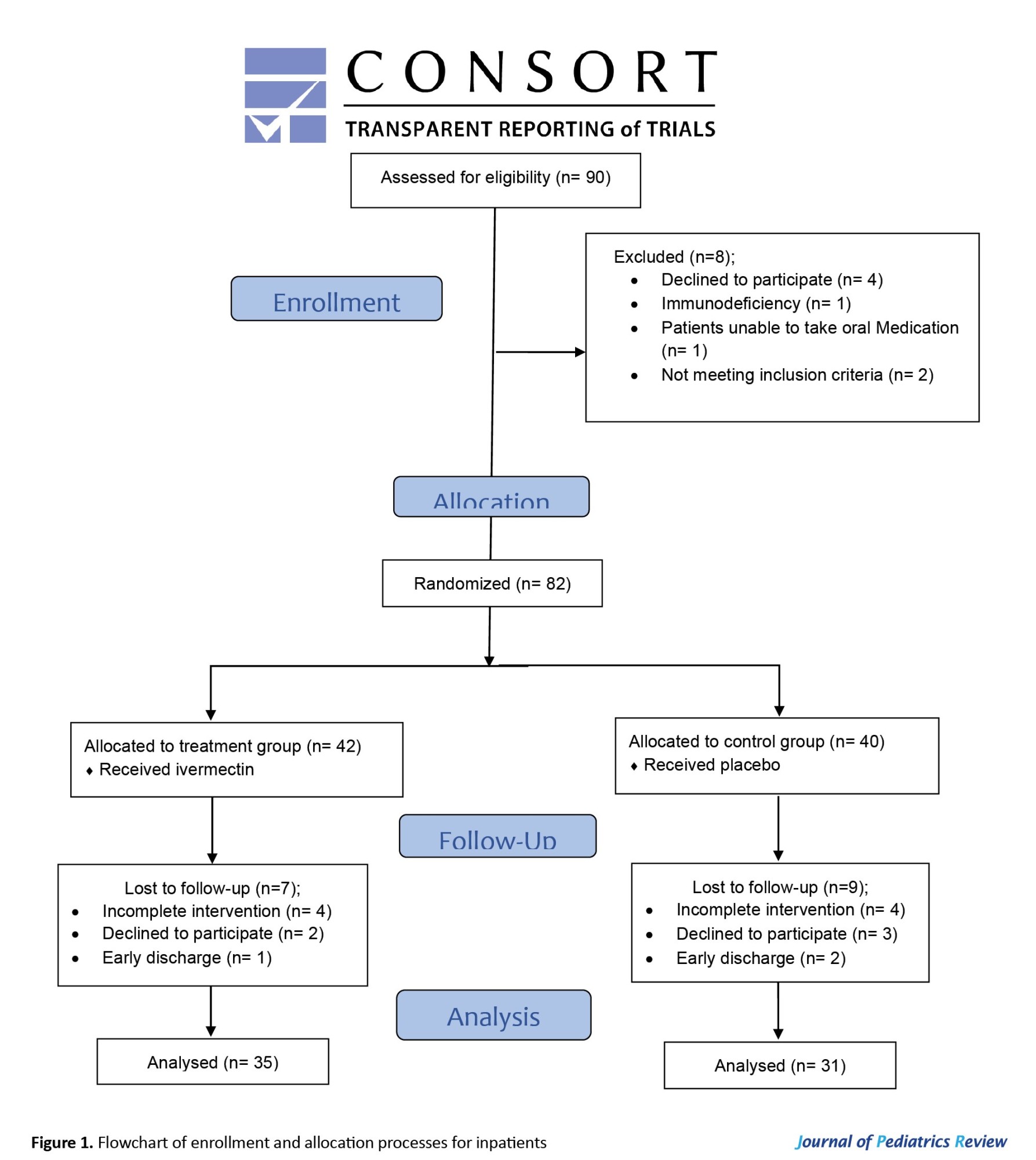
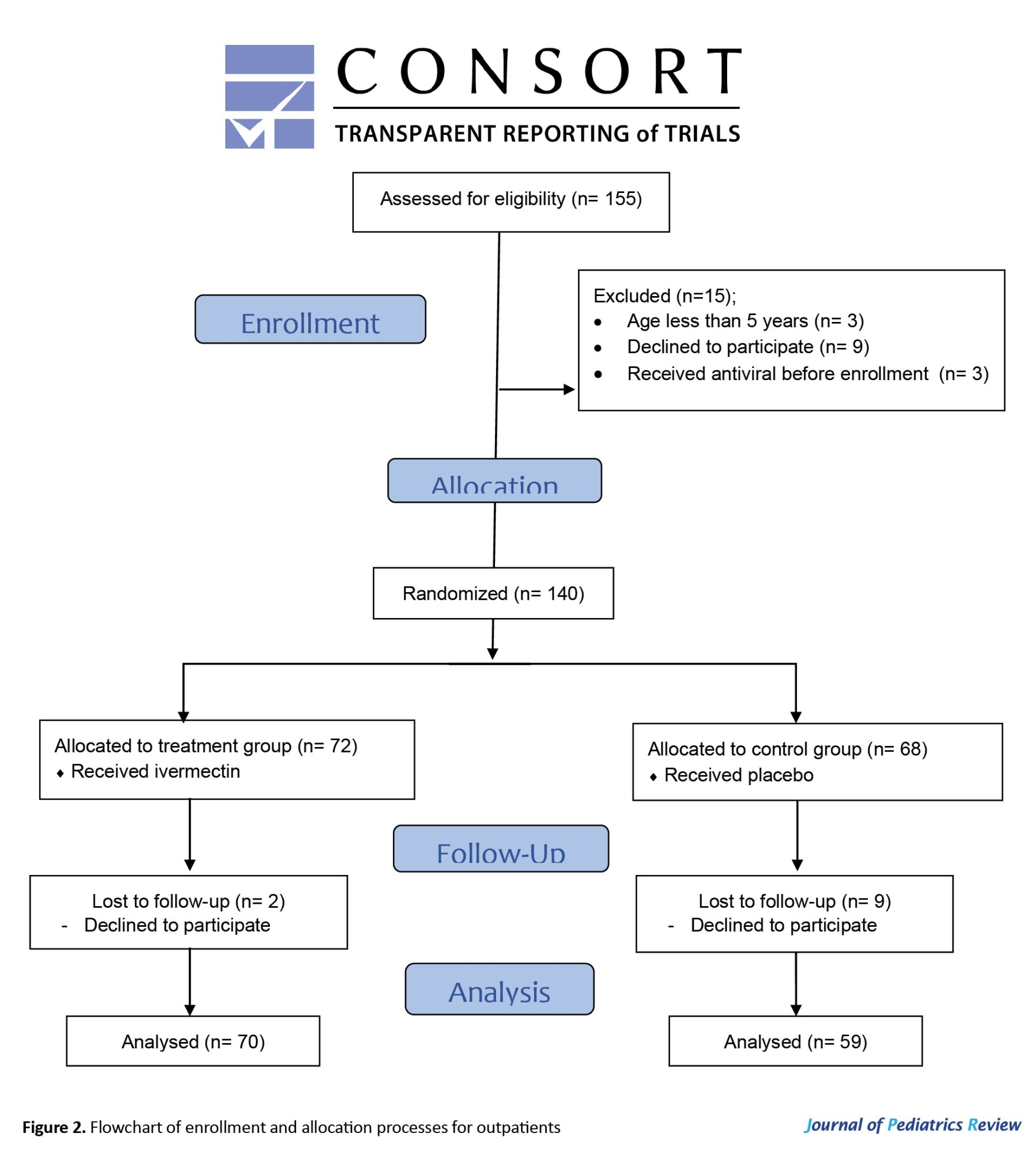
Eligible participants were randomly assigned to two groups of intervention and placebo in a 1:1 ratio. Randomization was done by a methodologist using R software (version 4.0.4). In the outpatients, from among a randomized list of 140 children, 72 were allocated to the intervention group and 68 to the placebo group. In inpatients, from among 82 children, 42 were allocated to the intervention group and 40 to the placebo group. Stratified, non-sequential assignment was used to maintain balance across groups. Allocation concealment was ensured for participants, caregivers, and clinicians to preserve blinding. The pharmacist preparing and dispensing the medication was unblinded due to operational needs, with strict protocols to prevent bias.
Interventions
Participants in the intervention group received oral tablets of ivermectin at a dose of 400 mcg/kg/day for 3 consecutive days. The tablets contained 6 mg of ivermectin (Alborz Daru Company, Iran), and the dose was determined by the participant’s weight to achieve the target dose. The control group received placebo tablets identical in appearance, taste, smell, shape, and packaging. Both groups concurrently received the national standard of care (SOC) for COVID-19.
Data collection
The baseline demographic and clinical data, including age, sex, body mass index (BMI), place of residence, and preexisting medical conditions, were collected. Clinical assessments on the first intervention day included respiratory rate, oxygen saturation, chest auscultation, vital signs, symptom severity (classified as mild, moderate, or severe), medications, adverse events, and radiological findings when available. Outpatients underwent repeated RT-PCR testing six days after symptom onset to assess possible viral clearance. Daily data were recorded using standardized checklists by trained personnel.
Primary and secondary outcomes
In the inpatient group, the primary outcome was clinical recovery, defined as improvement during hospitalization, including resolution of major symptoms such as tachypnea and dry cough, along with an increase in oxygen saturation by day 7. Disease progression was defined as worsening of clinical symptoms. In the outpatient group, the primary outcomes were clinical recovery (defined as resolution of primary symptoms by day 6), disease progression requiring hospitalization due to symptom deterioration, and a negative RT-PCR result on day 5.
Secondary outcomes for both groups included length of hospital stay, requirement for admission to the pediatric intensive care unit (PICU), need for invasive or noninvasive mechanical ventilation, occurrence of drug-related adverse events, and mortality. Also, the need for hospitalization was the secondary outcome in outpatients, and viral clearance (assessed by RT-PCR on day 6) was the secondary outcome in inpatients [13].
Data analysis
Data analysis was conducted in IBM SPSS software, version 20 (IBM, Armonk, NY). The Kolmogorov-Smirnov test assessed the normality of continuous variables. Descriptive statistics included Mean±SD, frequency, percentage, median, and interquartile range (IQR). The Mann–Whitney U test compared the groups based on continuous variables such as age and hospitalization duration. Chi-square and Fisher’s exact tests evaluated the differences based on categorical variables. A two-sided P<0.05 was considered statistically significant. Intention-to-treat analysis was also used. Missing data were handled via last observation carried forward where applicable.
Results
Inpatient characteristics
A total of 66 inpatient children were included in the study, of whom 35 were assigned to the ivermectin group and 31 to the placebo group (Figure 1).
The baseline socio-demographic and clinical characteristics of inpatients are summarized in Table 1.
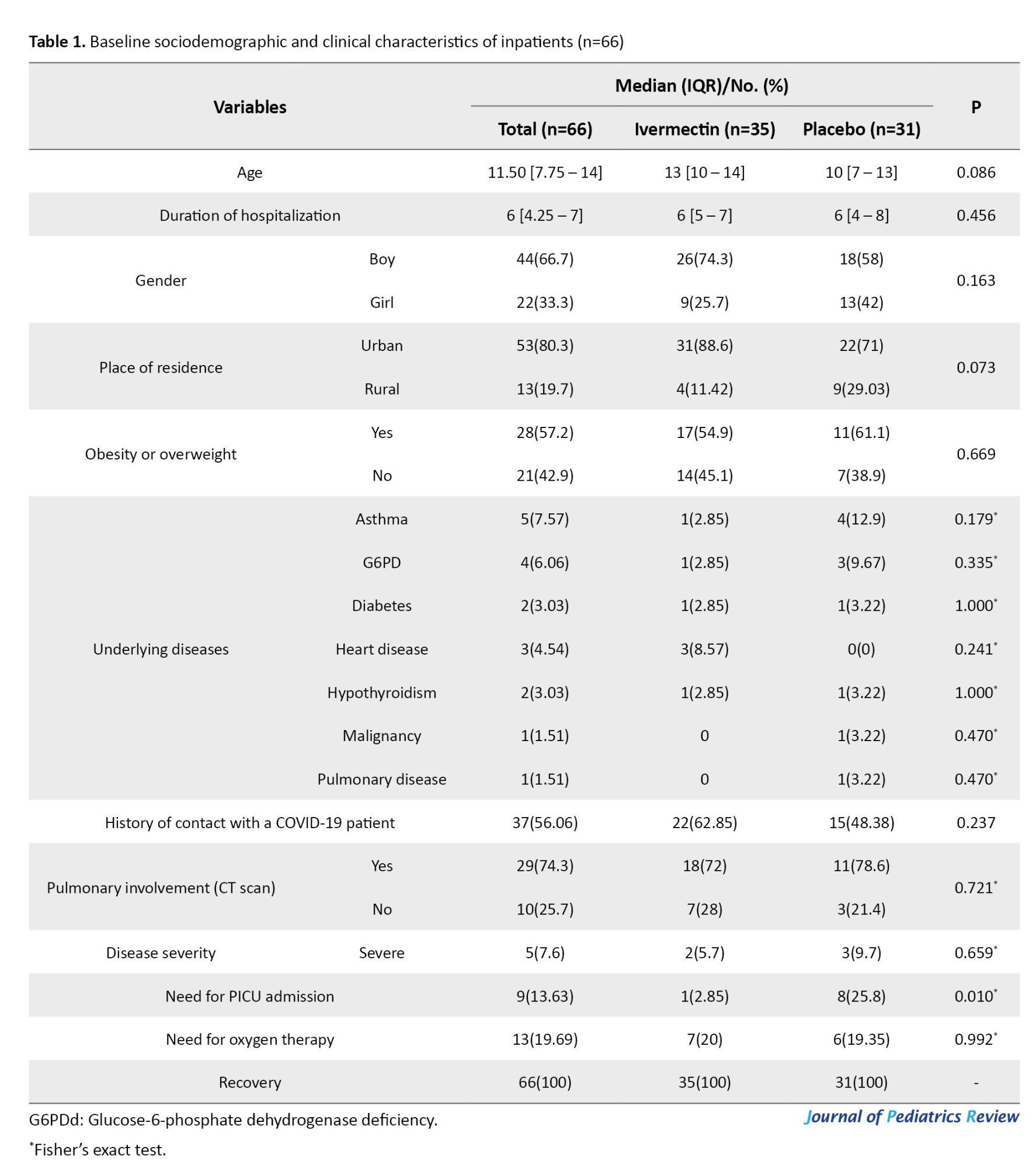
The median length of hospital stay was 6 days, which was the same in both groups. In total, 80.3% of the patients were from urban areas. The majority were boys (n=44, 66.7%), with a median age of 11.5 years (IQR=7.75-14). Overweight or obesity was present in 57.2% of inpatients for whom BMI was available (54.9% in the ivermectin group vs 61.11% in the placebo group). Underlying comorbidities were reported in 18(27.27%) inpatients, and asthma was the most common comorbidity (7.57%, n=5). A history of contact with a confirmed COVID-19 case was reported by 56.06% of the patients. Of 39 patients who underwent computed tomography (CT) scans, 29(74.3%) showed pulmonary involvement. Among the 66 inpatients, 9(13.63%) required admission to the PICU. Also, 19.69% of patients required oxygen during treatment, with no significant difference between the two groups. All patients with COVID-19 recovered, and no deaths occurred in either group (Table 1).
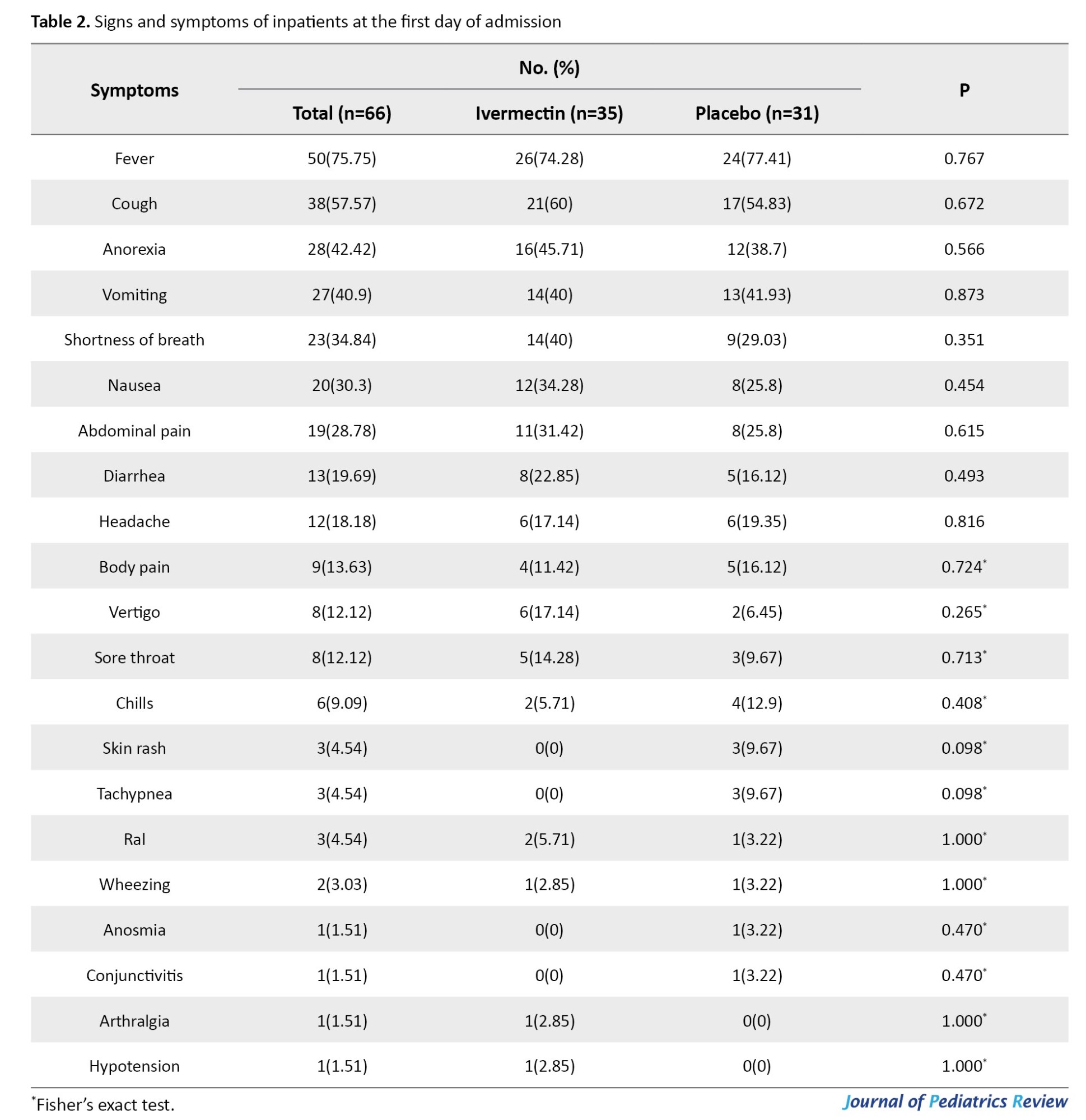
Predominant symptoms at the time of admission among hospitalized children were fever (75.75%), cough (57.57%), anorexia (42.42%), vomiting (40.9%), and shortness of breath (34.84%). No significant differences were observed between the two study groups regarding these signs and symptoms (Table 2).
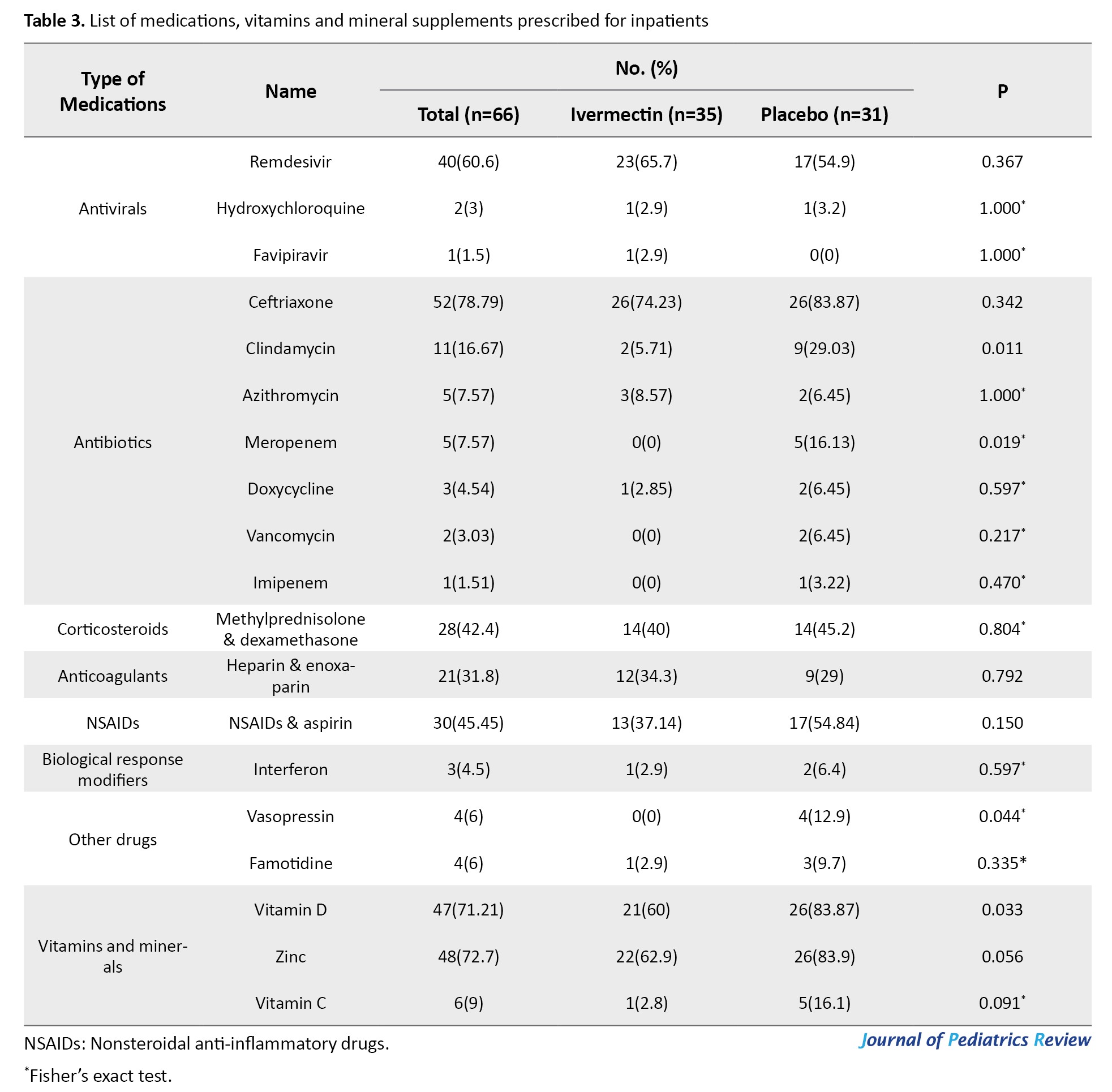
The most common antiviral and antibiotic administered at the time of admission were remdesivir (60.6%) and ceftriaxone (78.79%), respectively. Methylprednisolone/dexamethasone (42.4%) and heparin/enoxaparin (31.8%) were the administered corticosteroids and anticoagulants. The most commonly prescribed vitamins were zinc (72.7%) and vitamin D (71.21%). Overall, significant differences were observed between the ivermectin and placebo groups in the use of clindamycin, meropenem, vitamin D, and vasopressin (Table 3).
Outpatient characteristics
A total of 129 outpatient children were included in the study, of whom 70 were assigned to the ivermectin group and 59 to the placebo group (Figure 2).
The median length of hospital stay was 6 days, which was the same in both groups. In total, 80.3% of the patients were from urban areas. The majority were boys (n=44, 66.7%), with a median age of 11.5 years (IQR=7.75-14). Overweight or obesity was present in 57.2% of inpatients for whom BMI was available (54.9% in the ivermectin group vs 61.11% in the placebo group). Underlying comorbidities were reported in 18(27.27%) inpatients, and asthma was the most common comorbidity (7.57%, n=5). A history of contact with a confirmed COVID-19 case was reported by 56.06% of the patients. Of 39 patients who underwent computed tomography (CT) scans, 29(74.3%) showed pulmonary involvement. Among the 66 inpatients, 9(13.63%) required admission to the PICU. Also, 19.69% of patients required oxygen during treatment, with no significant difference between the two groups. All patients with COVID-19 recovered, and no deaths occurred in either group (Table 1).
Predominant symptoms at the time of admission among hospitalized children were fever (75.75%), cough (57.57%), anorexia (42.42%), vomiting (40.9%), and shortness of breath (34.84%). No significant differences were observed between the two study groups regarding these signs and symptoms (Table 2).
The most common antiviral and antibiotic administered at the time of admission were remdesivir (60.6%) and ceftriaxone (78.79%), respectively. Methylprednisolone/dexamethasone (42.4%) and heparin/enoxaparin (31.8%) were the administered corticosteroids and anticoagulants. The most commonly prescribed vitamins were zinc (72.7%) and vitamin D (71.21%). Overall, significant differences were observed between the ivermectin and placebo groups in the use of clindamycin, meropenem, vitamin D, and vasopressin (Table 3).
Outpatient characteristics
A total of 129 outpatient children were included in the study, of whom 70 were assigned to the ivermectin group and 59 to the placebo group (Figure 2).
Their baseline socio-demographic and clinical characteristics are presented in Table 4.
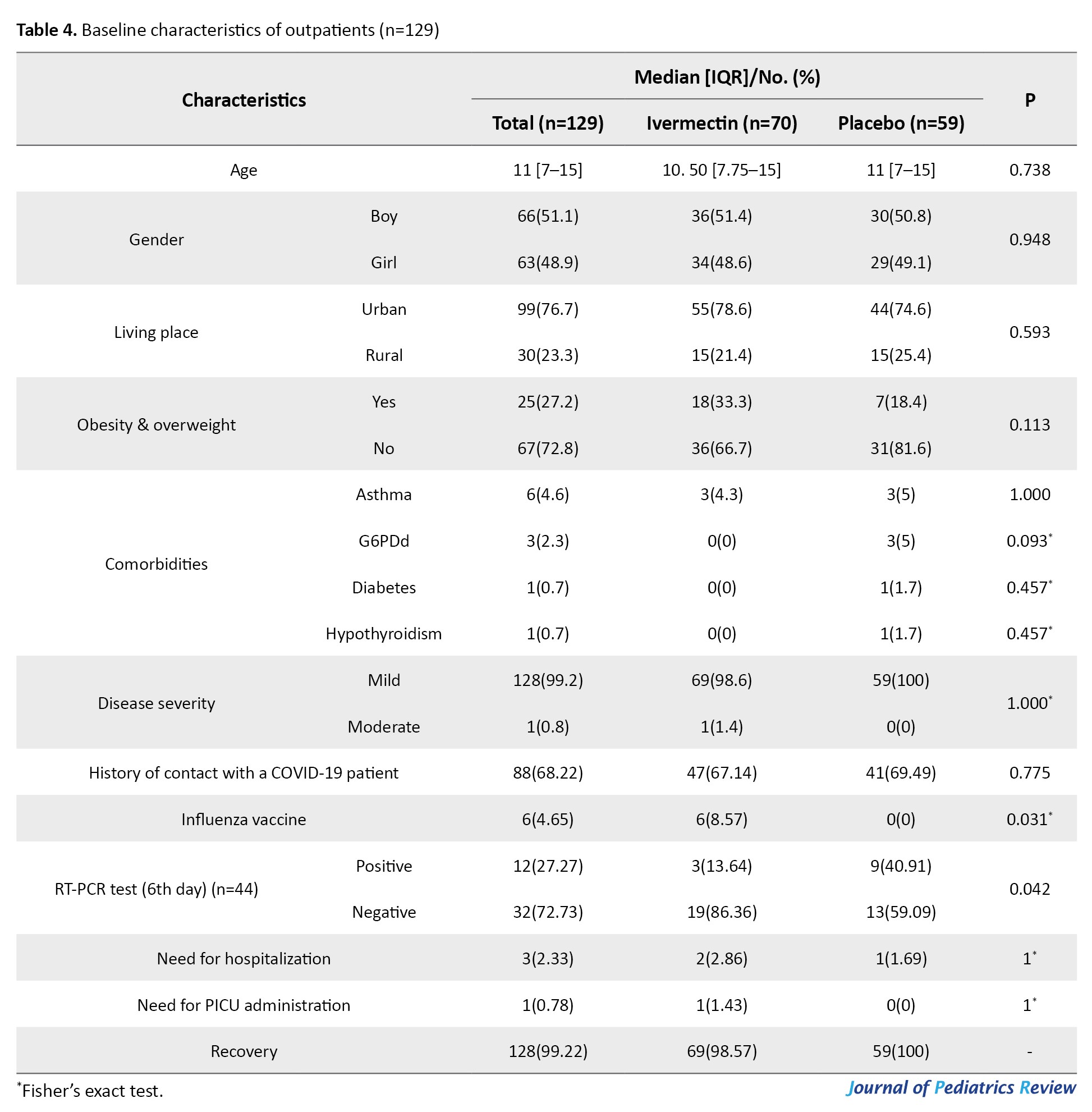
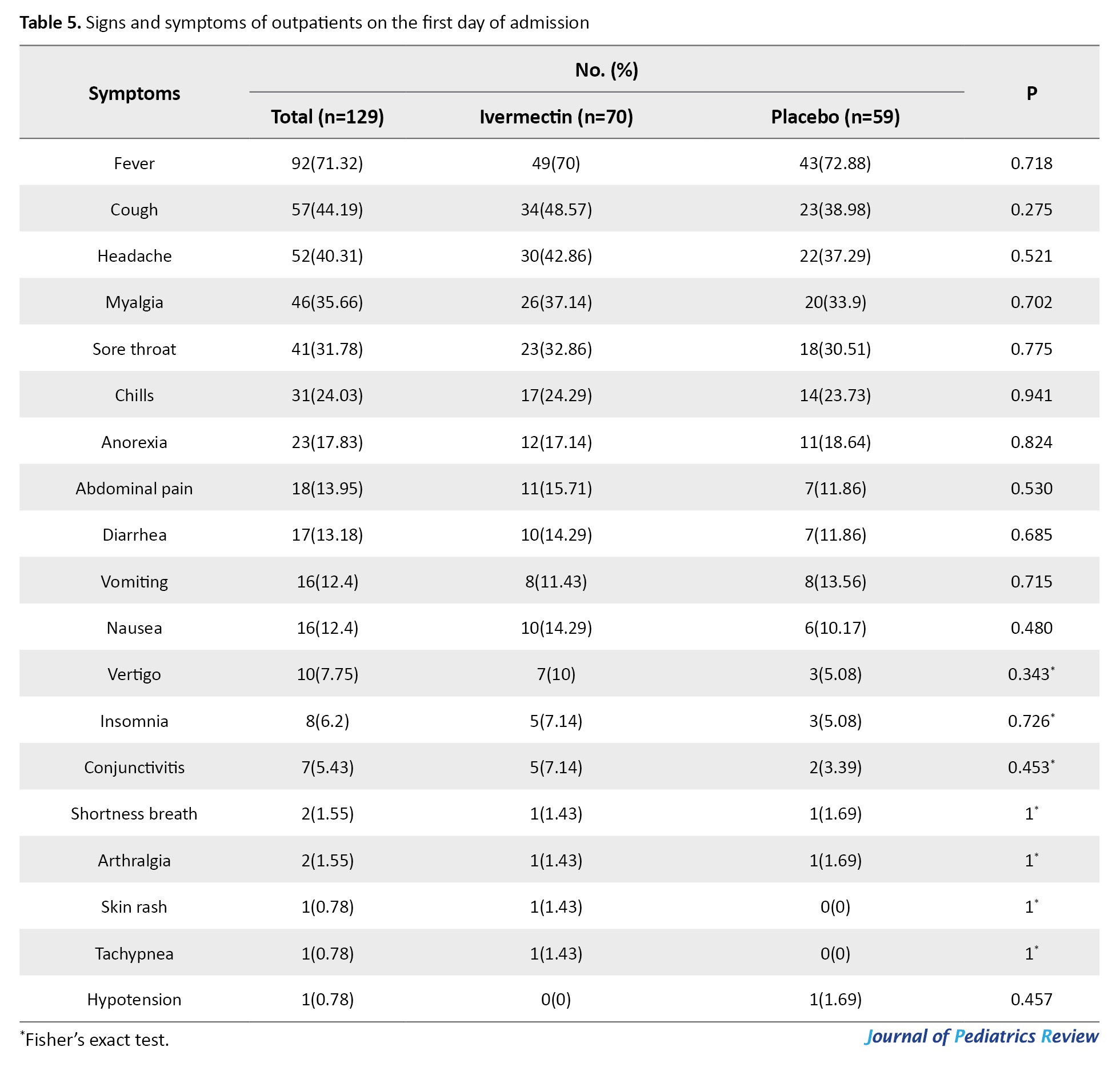
The outpatient group included 51.16% boys (n=66) with a median age of 11 years (IQR=7–15). In total, 76.74% of the outpatients were from urban areas. Among outpatients with available BMI data, overweight or obesity was present in 27.2% of all patients (33.33% in the ivermectin group vs 18.42% in the placebo group). Underlying comorbidities were reported in 11(8.53%) patients. A history of contact with a confirmed COVID-19 case was reported by 88(68.22%) patients. Nearly all outpatients had mild COVID-19 (99.2%). Among the 44 outpatients who underwent RT-PCR testing on the 6th day, 12(27.27%) remained test positive, mostly in the placebo group; this difference was statistically significant (P=0.042). Among the outpatients, three (2.33%) required hospitalization, and one was admitted to the PICU. Overall, 99.22% of the patients with COVID-19 recovered (Table 4). The most common signs and symptoms among outpatient children on the first day of admission were fever (71.32%), cough (44.19%), headache (40.31%), myalgia (35.66%), and sore throat (31.78%). No significant differences were observed between the two study groups regarding these signs and symptoms (Table 5).
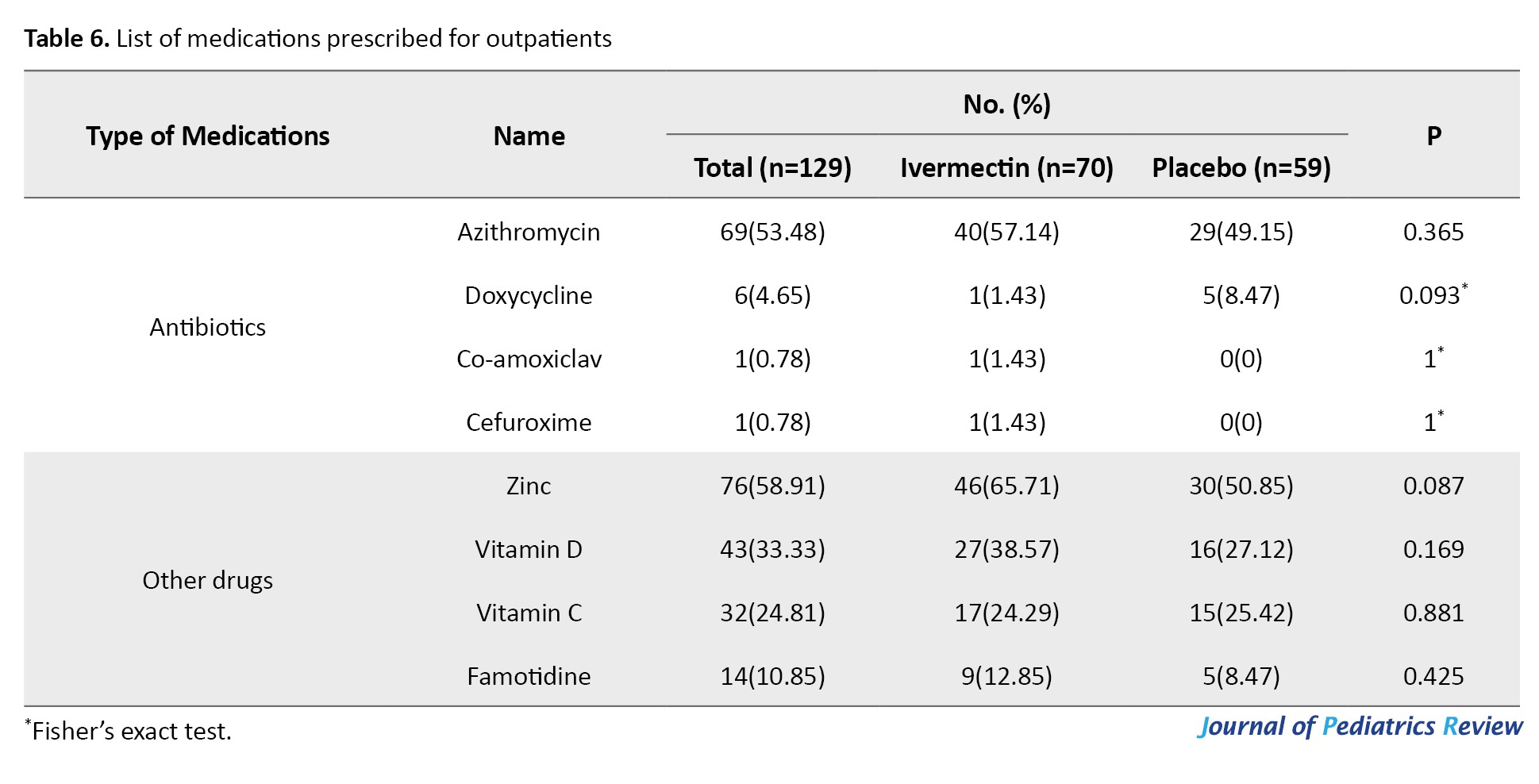
The most frequently used antibiotic in the outpatients was azithromycin (53.48%). Other common medications included zinc (58.91%) and vitamin D (33.33%). Overall, no significant differences were observed between the ivermectin and placebo groups regarding the medications used (Table 6).
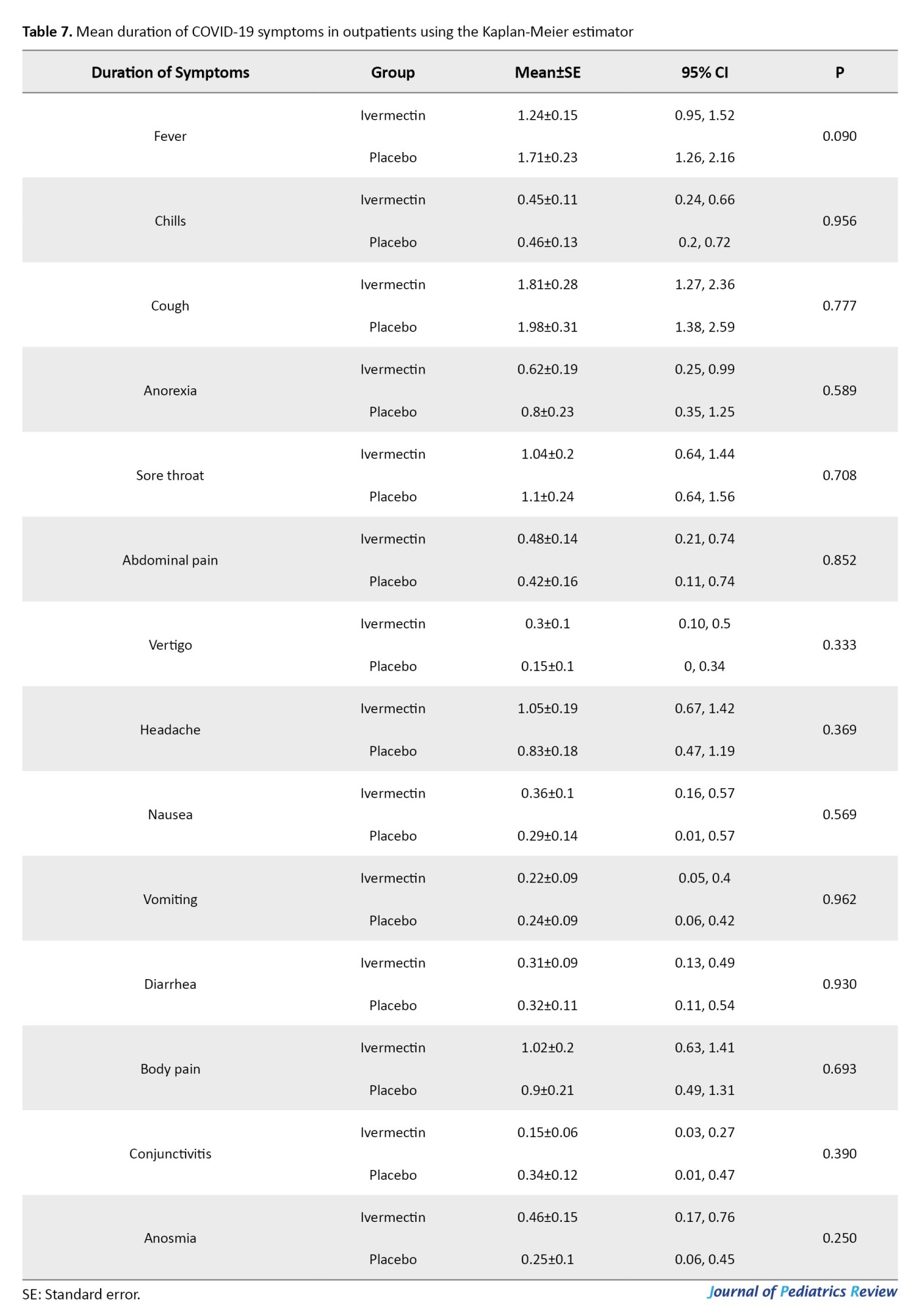
No significant difference was observed between the two groups regarding the mean duration of symptoms (Table 7).
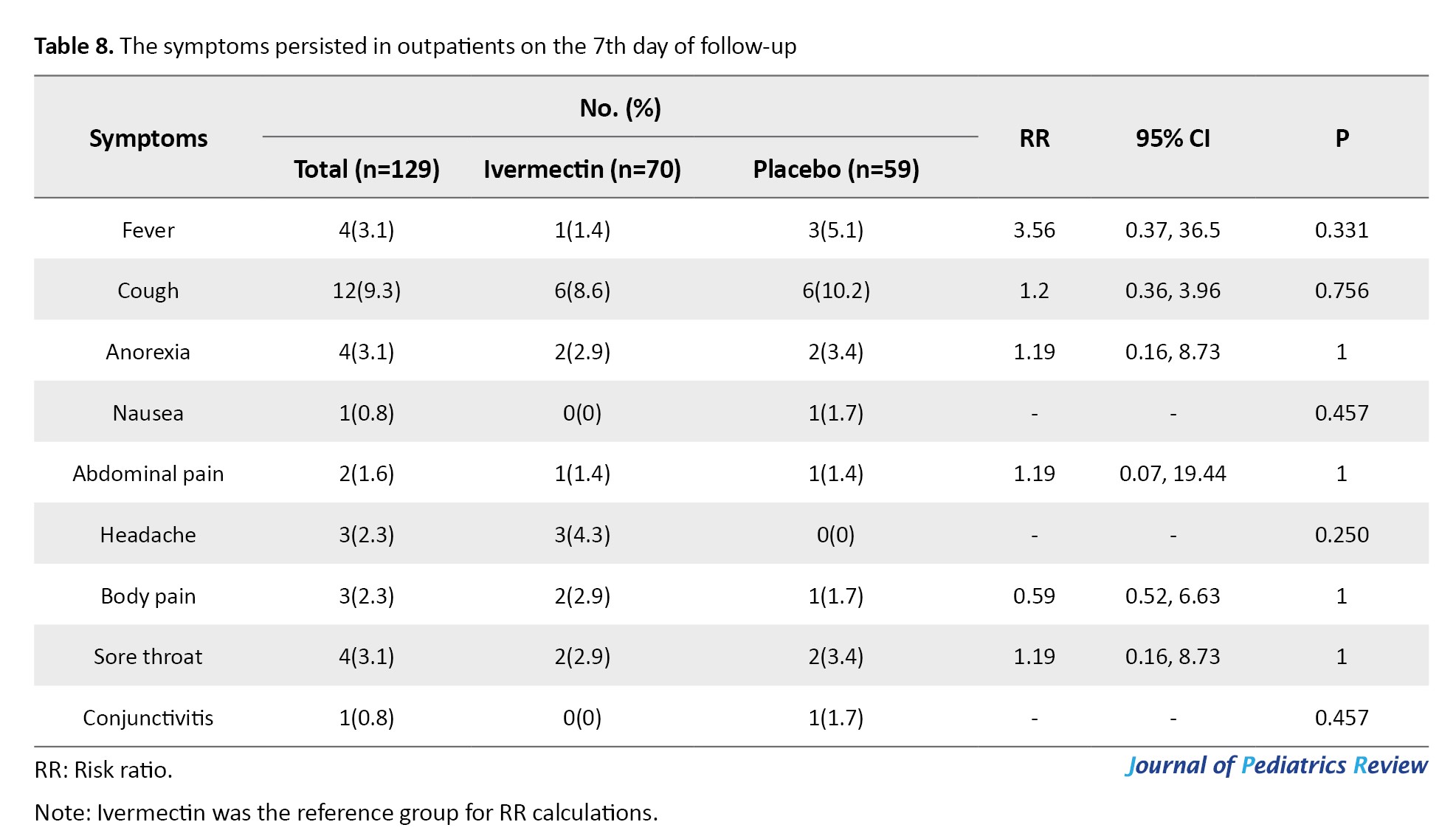
On the 7th day of follow-up, the persistence of symptoms was low in both groups. No significant differences were observed between placebo and ivermectin in the symptoms (P>0.05) (Table 8).
Discussion
Since the onset of the COVID-19 pandemic, there has been a paucity of high-quality randomized clinical trials and comprehensive observational studies focused on treating COVID-19 specifically in children. Guidelines focusing pediatric patients have largely been adapted from guidelines for treating other viral infections or from those for adult COVID-19 patients [19, 20]. Among many investigated medications, ivermectin as a multifaceted agent has been explored as a potential therapeutic for COVID-19 in adults, albeit with contradictory findings [13, 21]. In this study, we evaluated the therapeutic potential of ivermectin in children with COVID-19 in Iran through two randomized controlled trials.
Consistent with adult studies [13, 14], our primary findings revealed that ivermectin use in children with COVID-19 did not significantly affect the course of disease; all hospitalized children and the majority of outpatients recovered regardless of ivermectin or placebo administration. Moreover, no significant differences were seen in the length of hospital stay between groups. In contrast, our previous pilot study on 69 COVID-19 patients showed that a single weight-based dose (0.2 mg/kg) of ivermectin reduced the hospitalization duration in a mixed-age COVID-19 cohort, with only 17% aged under 18 years [11]. Our other study showed that ivermectin, compared with placebo, did not have a significant potential effect on clinical improvement, reduced admission to ICU, need for invasive ventilation, and death in hospitalized patients; likewise, no evidence was found to support the impact of ivermectin on recovery, reduced hospitalization, and increased negative RT-PCR assay for SARS-CoV-2 outpatients five days after treatment. The findings did not support using ivermectin to treat mild to severe COVID-19 [13]. In these studies, participants were aged >5 years.
The need for ICU admission in severe COVID-19 cases is generally less common in children than in adults [22, 23]. However, children with severe disease and comorbidities remain prone to intensive care needs. Worldwide PICU admission rates among pediatric COVID-19 patients vary widely from 1.3% to 39% [23-26]. In our study, 13.6% of inpatients required PICU admission, with a significantly lower rate among those receiving ivermectin compared to placebo. Alsayed et al. similarly reported that early remdesivir administration in adults was associated with reduced ICU admissions [27]. Remdesivir is the FDA-approved antiviral for children ≥28 days old weighing ≥3 kg at risk of severe COVID-19 outcomes [28]. Because 60.6% of inpatients in our study received remdesivir, a potential synergistic effectiveness of ivermectin plus remdesivir in reducing PICU admission warrants consideration. Several studies have reported pronounced synergistic antiviral effects of remdesivir and ivermectin against SARS-CoV-2 [16, 29], including reduced cytokines implicated in cytokine storm [30].
Our findings also indicated that ivermectin use was associated with a trend toward enhanced viral clearance: more outpatients in the ivermectin group were RT-PCR test negative six days after symptom onset than in the placebo group. These results align with clinical trials conducted in Bangladesh and Argentina demonstrating accelerated viral clearance with ivermectin [15, 18, 31]. However, the literature on remdesivir and ivermectin for viral clearance remains mixed, with some studies showing faster clearance and others finding no differences compared with controls [14, 15, 31-33]. Tan et al. demonstrated that the combined remdesivir and ivermectin potently suppressed SARS-CoV-2 replication in infected macrophages [30].
In our study, methylprednisolone/dexamethasone was the most commonly used corticosteroid (42.4%) in inpatients. Corticosteroid use in pediatric COVID-19 requires careful specialist consultation, balancing potential benefits against risks. When dexamethasone is unavailable, methylprednisolone serves as an alternative [20]. Also, no severe adverse drug effects or deaths occurred following ivermectin administration in both groups. This might be due to the small sample size. Nonetheless, oral ivermectin in children requires strict dosing guidance to prevent overdose and poisoning [34].
This study had some limitations. The small sample size limited evaluation of ivermectin’s impact on mortality. The lack of long-term inpatient follow-up limits assessment of symptom resolution. Plasma ivermectin levels were not measured, preventing correlation between pharmacokinetics and antiviral effects. Viral clearance was only assessed in outpatients. Also, laboratory safety parameters, including liver function tests, and formal neurological assessments were not systematically evaluated. Future studies should include detailed laboratory and neurological safety assessments to comprehensively evaluate the safety profile of ivermectin in pediatric populations.
Conclusion
In conclusion, ivermectin does not improve clinical recovery, disease progression, hospitalization duration, or mortality in children with COVID-19 in either inpatient or outpatient settings. Although outpatient children who received ivermectin had a higher rate of RT-PCR negativity than those who received placebo, this did not translate into significant clinical benefit. Therefore, based on the overall evidence from this study, ivermectin cannot be recommended for the treatment of pediatric COVID-19. Our findings provide valuable pediatric-specific evidence but emphasize the critical need for further rigorous research to establish ivermectin’s efficacy and safety in this population.
Ethical Considerations
Compliance with ethical guidelines
All ethical principles are considered in this article. The participants were informed of the purpose of the research and its implementation stages. They were also assured about the confidentiality of their information and were free to leave the study whenever they wished, and if desired, the research results would be available to them. A written informed consent has been obtained from parents or legal guardians before enrollment. All procedures adhered to the Declaration of Helsinki and Good Clinical Practice guidelines.
The study protocols for both trials were approved by the ethics committee of Mazandaran University of Medical Sciences, Sari, Iran (Codes: IR.MAZUMS.REC.1399.915 and IR.MAZUMS.REC.1399.869), and the trials were registered by the Iranian Registry of Clinical Trials (IRCT) (Codes: IRCT20111224008507N5 and IRCT20111224008507N4).
Funding
This study was funded by Mazandaran University of Medical Sciences, Sari, Iran (Grant No.: 7423).
Authors contributions
Conceptualization and methodology: Mohammad Sadegh Rezai; Data collection and investigation: Azin Hajialibeig, Mohammad Reza Navaeifar, Leila Shahbaznejad, and Fatemeh Hosseinzadeh; Data analysis: Faezeh Sadat Movahedi and Fereshteh Rostami-Maskopaee; Writing the original draft: Mohammad Sadegh Rezai, Mahsa Kamali, and Fatemeh Hosseinzadeh; Review and editing: All authors.
Conflicts of interest
The authors declared no conflict of interest.
Acknowledgements
The authors would like to thank all children and their parents for their cooperation in this study.
The outpatient group included 51.16% boys (n=66) with a median age of 11 years (IQR=7–15). In total, 76.74% of the outpatients were from urban areas. Among outpatients with available BMI data, overweight or obesity was present in 27.2% of all patients (33.33% in the ivermectin group vs 18.42% in the placebo group). Underlying comorbidities were reported in 11(8.53%) patients. A history of contact with a confirmed COVID-19 case was reported by 88(68.22%) patients. Nearly all outpatients had mild COVID-19 (99.2%). Among the 44 outpatients who underwent RT-PCR testing on the 6th day, 12(27.27%) remained test positive, mostly in the placebo group; this difference was statistically significant (P=0.042). Among the outpatients, three (2.33%) required hospitalization, and one was admitted to the PICU. Overall, 99.22% of the patients with COVID-19 recovered (Table 4). The most common signs and symptoms among outpatient children on the first day of admission were fever (71.32%), cough (44.19%), headache (40.31%), myalgia (35.66%), and sore throat (31.78%). No significant differences were observed between the two study groups regarding these signs and symptoms (Table 5).
The most frequently used antibiotic in the outpatients was azithromycin (53.48%). Other common medications included zinc (58.91%) and vitamin D (33.33%). Overall, no significant differences were observed between the ivermectin and placebo groups regarding the medications used (Table 6).
No significant difference was observed between the two groups regarding the mean duration of symptoms (Table 7).
On the 7th day of follow-up, the persistence of symptoms was low in both groups. No significant differences were observed between placebo and ivermectin in the symptoms (P>0.05) (Table 8).
Discussion
Since the onset of the COVID-19 pandemic, there has been a paucity of high-quality randomized clinical trials and comprehensive observational studies focused on treating COVID-19 specifically in children. Guidelines focusing pediatric patients have largely been adapted from guidelines for treating other viral infections or from those for adult COVID-19 patients [19, 20]. Among many investigated medications, ivermectin as a multifaceted agent has been explored as a potential therapeutic for COVID-19 in adults, albeit with contradictory findings [13, 21]. In this study, we evaluated the therapeutic potential of ivermectin in children with COVID-19 in Iran through two randomized controlled trials.
Consistent with adult studies [13, 14], our primary findings revealed that ivermectin use in children with COVID-19 did not significantly affect the course of disease; all hospitalized children and the majority of outpatients recovered regardless of ivermectin or placebo administration. Moreover, no significant differences were seen in the length of hospital stay between groups. In contrast, our previous pilot study on 69 COVID-19 patients showed that a single weight-based dose (0.2 mg/kg) of ivermectin reduced the hospitalization duration in a mixed-age COVID-19 cohort, with only 17% aged under 18 years [11]. Our other study showed that ivermectin, compared with placebo, did not have a significant potential effect on clinical improvement, reduced admission to ICU, need for invasive ventilation, and death in hospitalized patients; likewise, no evidence was found to support the impact of ivermectin on recovery, reduced hospitalization, and increased negative RT-PCR assay for SARS-CoV-2 outpatients five days after treatment. The findings did not support using ivermectin to treat mild to severe COVID-19 [13]. In these studies, participants were aged >5 years.
The need for ICU admission in severe COVID-19 cases is generally less common in children than in adults [22, 23]. However, children with severe disease and comorbidities remain prone to intensive care needs. Worldwide PICU admission rates among pediatric COVID-19 patients vary widely from 1.3% to 39% [23-26]. In our study, 13.6% of inpatients required PICU admission, with a significantly lower rate among those receiving ivermectin compared to placebo. Alsayed et al. similarly reported that early remdesivir administration in adults was associated with reduced ICU admissions [27]. Remdesivir is the FDA-approved antiviral for children ≥28 days old weighing ≥3 kg at risk of severe COVID-19 outcomes [28]. Because 60.6% of inpatients in our study received remdesivir, a potential synergistic effectiveness of ivermectin plus remdesivir in reducing PICU admission warrants consideration. Several studies have reported pronounced synergistic antiviral effects of remdesivir and ivermectin against SARS-CoV-2 [16, 29], including reduced cytokines implicated in cytokine storm [30].
Our findings also indicated that ivermectin use was associated with a trend toward enhanced viral clearance: more outpatients in the ivermectin group were RT-PCR test negative six days after symptom onset than in the placebo group. These results align with clinical trials conducted in Bangladesh and Argentina demonstrating accelerated viral clearance with ivermectin [15, 18, 31]. However, the literature on remdesivir and ivermectin for viral clearance remains mixed, with some studies showing faster clearance and others finding no differences compared with controls [14, 15, 31-33]. Tan et al. demonstrated that the combined remdesivir and ivermectin potently suppressed SARS-CoV-2 replication in infected macrophages [30].
In our study, methylprednisolone/dexamethasone was the most commonly used corticosteroid (42.4%) in inpatients. Corticosteroid use in pediatric COVID-19 requires careful specialist consultation, balancing potential benefits against risks. When dexamethasone is unavailable, methylprednisolone serves as an alternative [20]. Also, no severe adverse drug effects or deaths occurred following ivermectin administration in both groups. This might be due to the small sample size. Nonetheless, oral ivermectin in children requires strict dosing guidance to prevent overdose and poisoning [34].
This study had some limitations. The small sample size limited evaluation of ivermectin’s impact on mortality. The lack of long-term inpatient follow-up limits assessment of symptom resolution. Plasma ivermectin levels were not measured, preventing correlation between pharmacokinetics and antiviral effects. Viral clearance was only assessed in outpatients. Also, laboratory safety parameters, including liver function tests, and formal neurological assessments were not systematically evaluated. Future studies should include detailed laboratory and neurological safety assessments to comprehensively evaluate the safety profile of ivermectin in pediatric populations.
Conclusion
In conclusion, ivermectin does not improve clinical recovery, disease progression, hospitalization duration, or mortality in children with COVID-19 in either inpatient or outpatient settings. Although outpatient children who received ivermectin had a higher rate of RT-PCR negativity than those who received placebo, this did not translate into significant clinical benefit. Therefore, based on the overall evidence from this study, ivermectin cannot be recommended for the treatment of pediatric COVID-19. Our findings provide valuable pediatric-specific evidence but emphasize the critical need for further rigorous research to establish ivermectin’s efficacy and safety in this population.
Ethical Considerations
Compliance with ethical guidelines
All ethical principles are considered in this article. The participants were informed of the purpose of the research and its implementation stages. They were also assured about the confidentiality of their information and were free to leave the study whenever they wished, and if desired, the research results would be available to them. A written informed consent has been obtained from parents or legal guardians before enrollment. All procedures adhered to the Declaration of Helsinki and Good Clinical Practice guidelines.
The study protocols for both trials were approved by the ethics committee of Mazandaran University of Medical Sciences, Sari, Iran (Codes: IR.MAZUMS.REC.1399.915 and IR.MAZUMS.REC.1399.869), and the trials were registered by the Iranian Registry of Clinical Trials (IRCT) (Codes: IRCT20111224008507N5 and IRCT20111224008507N4).
Funding
This study was funded by Mazandaran University of Medical Sciences, Sari, Iran (Grant No.: 7423).
Authors contributions
Conceptualization and methodology: Mohammad Sadegh Rezai; Data collection and investigation: Azin Hajialibeig, Mohammad Reza Navaeifar, Leila Shahbaznejad, and Fatemeh Hosseinzadeh; Data analysis: Faezeh Sadat Movahedi and Fereshteh Rostami-Maskopaee; Writing the original draft: Mohammad Sadegh Rezai, Mahsa Kamali, and Fatemeh Hosseinzadeh; Review and editing: All authors.
Conflicts of interest
The authors declared no conflict of interest.
Acknowledgements
The authors would like to thank all children and their parents for their cooperation in this study.
References
- Hajialibeig A, Navaeifar MR, Bordbari AH, Hosseinzadeh F, Rostami-Maskopaee F, Rezai MS. Clinical characteristics of COVID-19 in children: A large multicenter study from Iran. Front Pediatr. 2024; 12:1398106. [DOI:10.3389/fped.2024.1398106] [PMID]
- Centers for Disease Control and Prevention. COVID Data Tracker. Atlanta: US Department of Health and Human Services, CDC; 2023 [Updated 2023 February 5]. Available from: [Link]
- Piechotta V, Harder T. Waning of COVID-19 vaccine effectiveness: Individual and public health risk. Lancet. 2022; 399(10328):887-9. [DOI:10.1016/S0140-6736(22)00282-3]
- Gandhi RT, Hirsch M. Treating acute COVID-19—final chapters still unwritten. New England J Med. 2024; 390(13):1234-6. [Link]
- Sulik M, Antoszczak M, Huczyński A, Steverding D. Antiparasitic activity of ivermectin: Four decades of research into a “wonder drug”. Eur J Med Chem 2023; 261: 115838. [DOI:10.1016/j.ejmech.2023.115838]
- Sengthong C, Pinlaor S, Yingklang M, Haonon O, Jantawong C, Pinlaor P, et al. High efficacy of ivermectin for strongyloidiasis treatment. Am J Trop Med Hyg. 2024; 110(5):951-2. [DOI:10.4269/ajtmh.23-0645] [PMID]
- Juarez M, Schcolnik-Cabrera A, Dueñas-Gonzalez A. The multitargeted drug ivermectin: From an antiparasitic agent to a repositioned cancer drug. Am J Cancer Res. 2018; 8(2):317-31. [PMID]
- Kaur B, Blavo C, Parmar MS. Ivermectin: A multifaceted drug with a potential beyond anti-parasitic therapy. Cureus. 2024; 16(3):e56025. [DOI:10.7759/cureus.56025]
- Caly L, Druce JD, Catton MG, Jans DA, Wagstaff KM. The FDA-approved drug ivermectin inhibits the replication of SARS-CoV-2 in vitro. Antiviral Res. 2020; 178:104787.[DOI:10.1016/j.antiviral.2020.104787] [PMID]
- Chaccour C, Casellas A, Blanco-Di Matteo A, Pineda I, Fernandez-Montero A, Ruiz-Castillo P, et al. The effect of early treatment with ivermectin on viral load, symptoms and humoral response in patients with non-severe COVID-19: A pilot, double-blind, placebo-controlled, randomized clinical trial. EClinicalMedicine. 2021; 32:100720. [DOI:10.1016/j.eclinm.2020.100720] [PMID]
- Shahbaznejad L, Davoudi A, Eslami G, Markowitz JS, Navaeifar MR, Hosseinzadeh F, et al. Effects of ivermectin in patients with COVID-19: A multicenter, double-blind, randomized, controlled clinical trial. Clin Ther. 2021; 43(6):1007-19. [DOI:10.1016/j.clinthera.2021.04.007] [PMID]
- Podder CS, Chowdhury N, Sina MI, Haque WMMU. Outcome of ivermectin treated mild to moderate COVID-19 cases: A single-centre, open-label, randomised controlled study. IMC J Med Sci. 2020; 14(2):11-8. [DOI:10.3329/imcjms.v14i2.52826]
- Rezai MS, Ahangarkani F, Hill A, Ellis L, Mirchandani M, Davoudi A, et al. Non-effectiveness of ivermectin on inpatients and outpatients with COVID-19; results of two randomized, double-blinded, placebo-controlled clinical trials. Front Med (Lausanne). 2022; 9:919708. [DOI:10.3389/fmed.2022.919708] [PMID]
- Popp M, Reis S, Schießer S, Hausinger RI, Stegemann M, Metzendorf MI, et al. Ivermectin for preventing and treating COVID-19. Cochrane Database Syst Rev. 2022; 6(6):Cd015017. [DOI:10.1002/14651858.CD015017]
- Ahmed S, Karim MM, Ross AG, Hossain MS, Clemens JD, Sumiya MK, et al. A five-day course of ivermectin for the treatment of COVID-19 may reduce the duration of illness. Int J Infect Dis. 2021; 103:214-6. [DOI:10.1016/j.ijid.2020.11.191] [PMID]
- Eweas AF, Alhossary AA, Abdel-Moneim AS. Molecular docking reveals ivermectin and remdesivir as potential repurposed drugs against SARS-CoV-2. Front Microbiol. 2021; 11:592908. [DOI:10.3389/fmicb.2020.592908] [PMID]
- Kaur H, Shekhar N, Sharma S, Sarma P, Prakash A, Medhi B. Ivermectin as a potential drug for treatment of COVID-19: an in-sync review with clinical and computational attributes. Pharmacol Rep. 2021; 73(3):736-49. [DOI:10.1007/s43440-020-00195-y] [PMID]
- Ragó Z, Tóth B, Szalenko-Tőkés Á, Bella Z, Dembrovszky F, Farkas N, et al. Results of a systematic review and meta-analysis of early studies on ivermectin in SARS-CoV-2 infection. GeroScience. 2023; 45(4):2179-93. [DOI:10.1007/s11357-023-00756-y] [PMID]
- Shahbaznejad L, Rouhanizadeh H, Navaeifar MR, Hosseinzadeh F, Movahedi FS, Rezai MS. Clinical Characteristics and Outcomes of COVID-19 in Children in Northern Iran. Int J Pediatr. 2021; 2021:5558287. [DOI:10.1155/2021/5558287] [PMID]
- Daniels D, Conners GP. Treatment of acute COVID-19 and COVID-19 exposures in children and adolescents. Pediatric Emergency Care. 2024; 40(3):223-30. [PMID]
- López-Medina E, López P, Hurtado IC, Dávalos DM, Ramirez O, Martínez E, et al. Effect of ivermectin on time to resolution of symptoms among adults with mild COVID-19: A randomized clinical trial. JAMA. 2021; 325(14):1426-35.[DOI:10.1001/jama.2021.3071] [PMID]
- Shekerdemian LS, Mahmood NR, Wolfe KK, Riggs BJ, Ross CE, McKiernan CA, et al. Characteristics and outcomes of children with coronavirus disease 2019 (COVID-19) infection admitted to US and Canadian pediatric intensive care units. JAMA Pediatr. 2020; 174(9):868-73. [DOI:10.1001/jamapediatrics.2020.1948] [PMID]
- Swann OV, Holden KA, Turtle L, Pollock L, Fairfield CJ, Drake TM, et al. Clinical characteristics of children and young people admitted to hospital with covid-19 in United Kingdom: Prospective multicentre observational cohort study. BMJ. 2020; 370:m3249. [DOI:10.1136/bmj.m3249] [PMID]
- Chao JY, Derespina KR, Herold BC, Goldman DL, Aldrich M, Weingarten J, et al. Clinical Characteristics and Outcomes of Hospitalized and Critically Ill Children and Adolescents with Coronavirus Disease 2019 at a Tertiary Care Medical Center in New York City. J Pediatr. 2020; 223:14-19.e2. [DOI:10.1016/j.jpeds.2020.05.006] [PMID]
- Fisler G, Izard SM, Shah S, Lewis D, Kainth MK, Hagmann SHF, et al. Characteristics and risk factors associated with critical illness in pediatric COVID-19. Ann Intensive Care. 2020; 10(1):171. [DOI:10.1186/s13613-020-00790-5] [PMID]
- Götzinger F, Santiago-García B, Noguera-Julián A, Lanaspa M, Lancella L, Calò Carducci FI, et al. COVID-19 in children and adolescents in Europe: A multinational, multicentre cohort study. Lancet Child Adolesc Health. 2020; 4(9):653-61. [DOI:10.1016/S2352-4642(20)30177-2] [PMID]
- Hussain Alsayed HA, Saheb Sharif-Askari F, Saheb Sharif-Askari N, Hussain AAS, Hamid Q, Halwani R. Early administration of remdesivir to COVID-19 patients associates with higher recovery rate and lower need for ICU admission: A retrospective cohort study. PLoS One. 2021; 16(10):e0258643. [DOI:10.1371/journal.pone.0258643] [PMID]
- Chera A, Tanca A. Remdesivir: the first FDA-approved anti-COVID-19 treatment for young children. Discoveries (Craiova). 2022; 10(2):e151. [DOI:10.15190/d.2022.10] [PMID]
- Jeffreys LN, Pennington SH, Duggan J, Caygill CH, Lopeman RC, Breen AF, et al. Remdesivir-ivermectin combination displays synergistic interaction with improved in vitro activity against SARS-CoV-2. Int J Antimicrob Agents. 2022; 59(3):106542. [DOI:10.1016/j.ijantimicag.2022.106542] [PMID]
- Tan YL, Tan KS, Chu JJH, Chow VT. Combination treatment with remdesivir and ivermectin exerts highly synergistic and potent antiviral activity against murine coronavirus infection. Front Cell Infect Microbiol. 2021; 11:700502. [DOI:10.3389/fcimb.2021.700502] [PMID]
- Krolewiecki A, Lifschitz A, Moragas M, Travacio M, Valentini R, Alonso DF, et al. Antiviral effect of high-dose ivermectin in adults with COVID-19: A proof-of-concept randomized trial. EClinicalMedicine. 2021; 37:100959. [DOI:10.1016/j.eclinm.2021.100959] [PMID]
- Spagnuolo V, Voarino M, Tonelli M, Galli L, Poli A, Bruzzesi E, et al. Impact of Remdesivir on SARS-CoV-2 Clearance in a Real-Life Setting: A Matched-Cohort Study. Open Forum Infect Dis. 2021; 8(Suppl 1):S354–5. [DOI:10.1093/ofid/ofab466.704] [PMCID]
- Biancofiore A, Mirijello A, Puteo MA, Di Viesti MP, Labonia M, Copetti M, et al. Remdesivir significantly reduces SARS-CoV-2 viral load on nasopharyngeal swabs in hospitalized patients with COVID-19: A retrospective case-control study. J Med Virol. 2022; 94(5):2284-9. [DOI:10.1002/jmv.27598] [PMID]
- Temple C, Hoang R, Hendrickson RG. Toxic effects from ivermectin use associated with prevention and treatment of Covid-19. N Engl J Med. 2021; 385(23):2197-8. [DOI:10.1056/NEJMc2114907] [PMID]
Type of Study: Original Article |
Subject:
Pediatric Infectious Diseases
Received: 2025/10/2 | Accepted: 2026/09/19 | Published: 2026/09/19
Received: 2025/10/2 | Accepted: 2026/09/19 | Published: 2026/09/19
Send email to the article author
| Rights and permissions | |
 |
This work is licensed under a Creative Commons Attribution-NonCommercial 4.0 International License. |

Copyright © The Author(s);
This is an open access article distributed under the terms of the Creative Commons Attribution License (CC-By-NC),
which permits use, distribution, and reproduction in any medium, provided the original work is properly cited and is not used for commercial purposes.
Contact Information