Wed, Oct 21, 2026


Volume 14, Issue 3 (9-2026)
J. Pediatr. Rev 2026, 14(3): 263-274 |
Back to browse issues page



Download citation:
BibTeX | RIS | EndNote | Medlars | ProCite | Reference Manager | RefWorks
Send citation to:


BibTeX | RIS | EndNote | Medlars | ProCite | Reference Manager | RefWorks
Send citation to:
Khazaei R, Tavana M M, Halabchi F. Pre-participation Evaluation for Pediatric and Adolescent Athletes in Iran: A Review of Methods, Tools, and Challenges. J. Pediatr. Rev 2026; 14 (3) :263-274
URL: http://jpr.mazums.ac.ir/article-1-814-en.html
URL: http://jpr.mazums.ac.ir/article-1-814-en.html


1- Department of Sports and Exercise Medicine, Imam Khomeini Hospital Complex (IKHC), Tehran University of Medical Sciences, Tehran, Iran.
2- Department of Sports and Exercise Medicine, Imam Khomeini Hospital Complex (IKHC), Tehran University of Medical Sciences, Tehran, Iran. ,fhalabchi@tums.ac.ir
2- Department of Sports and Exercise Medicine, Imam Khomeini Hospital Complex (IKHC), Tehran University of Medical Sciences, Tehran, Iran. ,
Keywords: Sports medicine, Athletic injuries, Physical examination, Preventive health services, Pre-participation evaluation (PPE)
Full-Text [PDF 439 kb]
(121 Downloads)
| Abstract (HTML) (321 Views)
Full-Text: (69 Views)
Introduction
Pre-participation evaluation (PPE) is a standard health screening frequently performed on pediatric and teenage athletes to determine their fitness level, assess underlying medical issues, and ascertain whether they are fit enough to participate safely in organized sports. Thus, this type of screening aims to evaluate the athlete’s fitness and readiness for organized sports, as well as uncover any existing health issues that might make participation risky [1, 2]. In young athletes, PPE helps identify risks associated with growth and other factors that influence the risk of injury and illness. In accordance with modern sports medicine guidelines, key aspects of PPE include proper collection of medical history, a pediatric-focused physical examination, and recommendations for appropriate referral for detected diseases. PPE can also be conceptualized as a structured cardiovascular health visit that addresses sleep, nutrition, weight, blood pressure, lipid and glucose control, and other cardiometabolic determinants relevant to both athletic performance and long-term health [3].
The physician performing the PPE has ultimate responsibility for granting medical clearance and should interpret the results by considering the athlete’s age and overall condition [4]. Although the significance of PPE is widely acknowledged, several issues remain, including inconsistent examination techniques, examiner qualifications, result interpretation, and insufficient standardization of the process [5]. In Iran, where hundreds of children and teenagers are subjected to PPE every year, it has also been suggested that there is a lack of efficiency in the evaluation process due to inconsistent procedures and insufficient awareness of the standardized testing process [6]. Due to unique physiologic and developmental risks associated with children and adolescents in nearly all sports, it is critical that standard terminology is utilized and a scientifically valid framework is maintained to help ensure clarity and quality within discussions of PPE service delivery, evidenced by consensus and new rules/laws governing PPE services in sports, and to help establish an ongoing basis for providing safe services.
In this narrative review, we aimed to summarize evidence on PPE structure, content, and models (office-based or station-based) for child and adolescent athletes in the context of sports medicine practice in Iran. We focused specifically on pediatric and adolescent athletes (typically 6–18 years), acknowledging the physiological, developmental, and psychosocial characteristics unique to this age group that distinguish them from adult athletic populations.
Materials and Methods
The current study was conducted as a narrative review of the literature on PPE among pediatric and adolescent athletes. A comprehensive search was performed across national and international scientific databases to identify relevant publications addressing the principles, objectives, components, and approaches of PPE, with particular emphasis on issues related to children and adolescents and sports medicine practice in Iran.
The literature was reviewed regarding key aspects of PPE, including medical history taking, physical examination, cardiovascular and musculoskeletal screening, paraclinical assessments, the frequency and timing of evaluations, qualifications of PPE examiners, office-based and station-based PPE models, and medical clearance for sports participation. Relevant guidelines, consensus statements, review articles, and original research studies were included when they aligned with the scope of this review.
Results
Pre-participation evaluation history
There has been constant improvement in PPE, a method for identifying risk factors to reduce injury and protect athletes during sport participation. The first use of PPE occurred in the 1940s, when attention to health and fitness increased among both the general population and sport participants [7]. These early methods for identifying health-related issues and assessing an individual’s fitness became the framework for developing PPE standards and guidelines. Organizations such as the American Medical Association (AMA) and others created standards for these evaluations in the following decades [8]. This improved the specification of PPE goals and created a systematic model for its use. In 1996, the American Heart Association (AHA) issued a historic statement about cardiovascular screening of athletes [9]. The statement was a milestone in PPE history, highlighting cardiovascular evaluation and providing clear guidance for physicians and other healthcare professionals involved in the process. In the ensuing years, the AMA and the American Academy of Pediatrics (AAP) created a series of PPE guidelines and standards. These efforts further highlighted the importance of PPE in preventing sudden cardiac death (SCD) and promoting overall health among child and adolescent athletes [4, 10].
Pre-participation evaluation goals
Sports organizations and governing bodies widely use PPE methods as a structured approach to assessing athlete health and readiness for participation. Although PPE is widely used to identify cardiovascular and other health risks, the strength of evidence for different screening models remains unclear across settings and populations [2, 11]. What is covered, how it is done, and its efficacy are not organized uniformly by organizations or countries. The goal of PPE is to enhance athletes’ health and safety. The PPE goals can be summarized as follows: (i) Establish athletes’ general physical and mental health; (ii) Identify conditions that are potentially life-threatening or disabling; (iii) Identify conditions that may predispose the athletes to illness or injury; (iv) Provide an opportunity to discuss health and lifestyle issues with the athlete [11–15].
Pre-participation evaluation aspects
Timing
PPE is ideally performed at least six weeks before the start of the competitive season, allowing sufficient time to address identified medical conditions or musculoskeletal problems before participation. However, the interval between evaluation and competition should not be so long that the athlete’s clinical status changes substantially after the examination [16].
Frequency
Recommended PPE frequencies differ based on specific athlete populations and the purpose behind such screenings. One group of researchers recommends yearly PPE for children and adolescents because their body systems are constantly changing; therefore, the detection of potential new diseases or health issues may require an annual test [9, 17]. However, some other experts suggest that PPE should be conducted less frequently, i.e. once every two or three years, as adult athletes do not experience constant physiological changes, rendering annual testing either unnecessary or expensive [18, 19]. The last perspective emphasizes the benefits of personalized evaluations, indicating that the frequency of the test should be dependent on different criteria, such as the age of patients or their competitive level [20].
In conclusion, it seems that the most effective rate of conducting PPEs depends on certain situations and is highly context dependent. Annual PPEs are recommended for children and adolescents due to their fast development and the higher probability of the occurrence of health issues. Healthy adults without any previous diseases who engage in sports activities should undergo PPE once in two or three years. At the same time, those athletes who have some underlying health conditions or have a predisposition to heart or skeletal muscle diseases can benefit from having PPEs more frequently.
Methods
History-taking and physical examination by PPE can be conducted with office-based or station-based techniques, either individually or in groups; each also has its own advantages and disadvantages.
Office-based techniques
In this approach, athletes are evaluated in a clinic by general practitioners, pediatricians, or sports medicine specialists. Office-based techniques have various advantages, such as ensuring privacy, continuity of care, and the physician’s understanding of the athlete’s family and medical history. However, a detailed office-based evaluation may take too long and may not focus sufficiently on pertinent sports-specific factors [4].
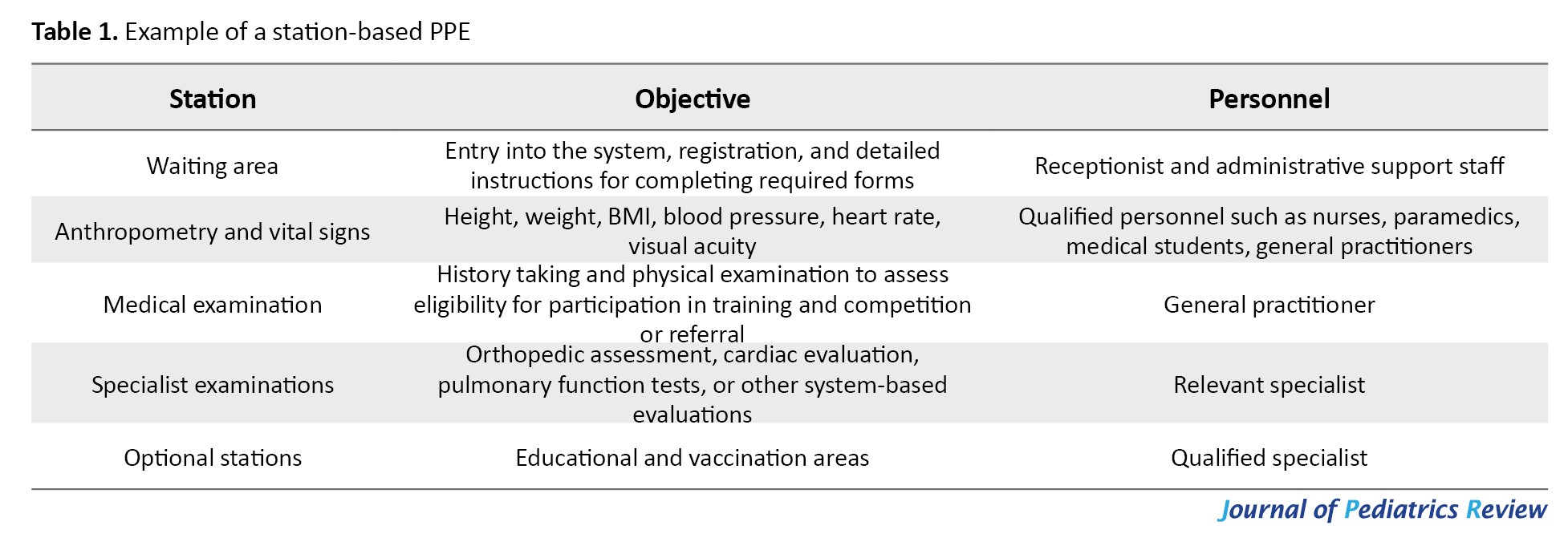
Station-based techniques: In the station-based approach, several specialists evaluate athletes at designated stations, one for each site. The system is time-efficient, sport-specific, cost-effective, and high-yield for screening multiple abnormalities. It can lack privacy and not offer continuity of medical care [4]. Table 1 presents some station-based PPE techniques.
Examiner qualifications
PPE, if possible, should be conducted by sports medicine specialists. While PPE is typically carried out by general practitioners, they are not specifically trained for this purpose in most cases. Therefore, professional athletes’ evaluations should be reserved for sports medicine specialists. Physicians responsible for PPE should not only be adequately trained in sports medicine but also refer athletes to relevant specialists when abnormalities are detected during the screening [4].
Pre-participation evaluation components
Under normal circumstances, history taking and physical examination comprise the fundamental components of PPE. In other cases, further paraclinical examinations or measurements of physical fitness parameters may be necessary.
History taking
A complete medical history forms the basis of PPE. According to studies, 88% of all medical issues and 64-75% of severe musculoskeletal complaints requiring withdrawal or restriction from sport can be identified by taking a complete personal and family medical history. Thus, personal and family history is more sensitive than physical examinations [4, 21]. For young athletes under 18 years, medical history questions are answered by both the athlete and the parents. Completion of the history form by athletes or their parents is more accurate and reduces error. Completing these forms before the examination allows families to mention things the athlete may be unaware of or has forgotten, especially family history and childhood events [4]. The history form should contain information on disease, past or recent trauma, hospitalization, previous operation, functional impairment, heat or cold-related issues, use of medications, supplementation, dietary supplements, substance abuse, allergies, immunizations, menstrual disorders in female athletes, sudden weight change, previous ban from sport and disease or neurological/psychological disorder family history. A standardized questionnaire can be strengthened by explicitly covering exercise-induced symptoms, family history of cardiovascular disease, medication use, supplements or performance enhancers, and psychosocial or lifestyle factors in one instrument [4, 22]. A review of systems should include questions for all body systems, with the cardiovascular system given the highest priority. A positive response to questions in this section should guide further evaluation and follow-up. Below, we provide key history-taking questions in PPE:
Cardiovascular system
Questions should cover chest pain, discomfort, tightness, or pressure with exertion, syncope or near-syncope not accounted for, dyspnea, fatigue, or palpitations with exercise not accounted for, previously diagnosed heart murmurs, systemic hypertension, previous restriction from sports participation, previous diagnostic tests, family history of premature death (age <50) due to cardiac disease in one or more relatives, incapacitation resulting from cardiac disease in close relatives under age 50, and family history of structural or conduction heart diseases such as hypertrophic or dilated cardiomyopathy, long QT syndrome, ion channelopathies, or clinical arrhythmias. Also, they need to be screened for manifestations suggestive of Marfan syndrome such as kyphoscoliosis, high-arched palate, pectus excavatum, arachnodactyly, hyperextensibility, myopia, mitral valve prolapse, and aortic insufficiency [2, 23].
Musculoskeletal system
Taking a history of previous fractures, dislocations, sprains, and muscle or ligament strains that required treatment or rehabilitation is important. Patterns of musculoskeletal injuries are sport-specific. Fracture and ligament injuries occur more in collision or contact sports, while overuse injuries, stress fractures, and tendinopathies occur in endurance or non-contact sports [24].
Neurological, integumentary, and visual systems
One should enquire about headaches, seizures, spinal and spinal canal issues, and concussions [25]. Also, questions should cover rashes such as herpes and fungal or bacterial infections [4]. Sports participants need to have vision adequate for sports involvement. Ask about a history of eye problems or injury [26].
Immunologic system (allergies and vaccination)
Question athletes about wheezing, exercise‑induced shortness of breath, coughing, asthma, or allergies in the past and during exercise. Asthma is a common chronic respiratory condition in children and adolescents, and exercise‑induced bronchospasm is reported in a substantial proportion of individuals with asthma. Consider diagnosing asthma in athletes who experience wheezing or respiratory symptoms during exercise [27-29].
Athletes must follow the vaccination schedule recommended by international organizations such as the Centers for Disease Control and Prevention (CDC) or World Health Organization (WHO). The pre-participation screening will include an assessment of the athlete’s vaccinations. In addition to routine immunizations, the annual influenza vaccine is required. Other vaccinations may also be advised depending on disease epidemiology, travel needs, or emerging infections like coronavirus. This should be verified on PPE [30].
Nutritional status
Eating disorders and body image concerns occur most frequently with sports that have weight categories or where appearance or thinness is central to performance [31].
Menstrual health
In cases of primary or secondary amenorrhea, evaluation should include consideration of the female athlete triad (disordered eating, amenorrhea and osteoporosis). More recent consensus statements have expanded this concept to the broader framework of relative energy deficiency in sport (RED‑S), which includes the triad components within a wider spectrum of physiological consequences of low energy availability [32, 33].
Physical examination
A regular physical examination should include at least an assessment of anthropometric factors, vital signs, and the visual, musculoskeletal, and cardiovascular systems. Additional tests may be done if history taking results in findings [16, 25].
Anthropometric measurement
Monitoring weight trends can identify abnormal weight loss or gain, which may indicate eating disorders, low energy intake, disordered weight gain behavior, or steroid use [34]. Height curves are monitored to diagnose slowing down of growth, which may be a symptom of other diseases such as endocrine disease, nutritional disease, deficiency in energy, or delayed puberty and growth. These conditions may make the child susceptible to overuse injury and contact sports injury [35].
Heart rate and blood pressure
The evaluation is useful in the early recognition of possible cardiac problems such as hypertension or abnormal heart rhythm. These findings should be recognized during the PPE since patients with underlying cardiovascular diseases can have a higher risk for adverse cardiac events during intense physical activity and may need additional workup to clear them for participation in athletics [36].
Respiratory rate and oxygen saturation
Respiratory rate and oxygen saturation can also yield useful information about cardiopulmonary status and pulmonary health. A high respiratory rate or low oxygen saturation can indicate respiratory diseases such as exercise-induced bronchoconstriction or asthma, and further investigation is needed before sport participation [36].
Body temperature
Body temperature is another vital component to assess potentially underlying medical disorders that may temporarily prohibit an athlete from participating in sport due to infection. Deviations from a normal body temperature may be indicative of endocrine diseases such as thyroid disease and can potentially affect an athlete’s metabolism, energy level, and endurance [37].
Visual system
During PPE, visual acuity of all athletes should be evaluated to ensure that their vision is at least 20/40 with or without correction for sporting participation. Athletes with vision worse than 20/40 in one eye, even with correction, require additional ophthalmologic tests. Specifically, patients with vision below 20/40 in one eye should use eyewear to protect the unaffected eye and prevent injury [34, 38].
Cardiovascular system
Cardiac auscultation should be performed in both erect and supine positions or during the Valsalva maneuver to detect other heart sounds or murmurs. Radial and femoral pulses should also be examined on each side, with attention to any disparity in pulse timing, especially in hypertension. Any deviation of pulse timing should be further investigated [34, 39, 40].
Musculoskeletal system
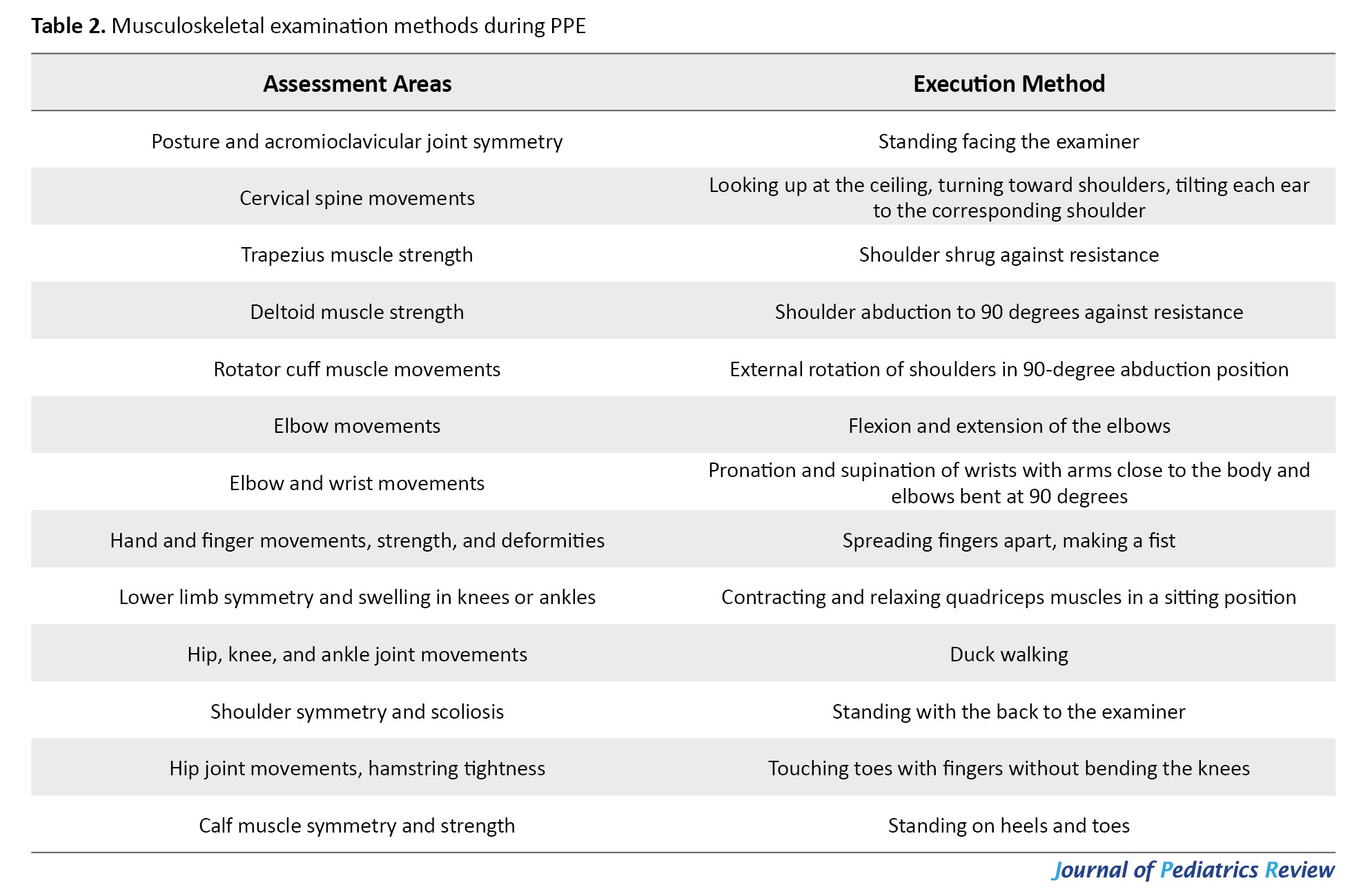
To evaluate the musculoskeletal system, a 90-second musculoskeletal screening examination can be employed. The components of this screening are outlined in Table 2 [41].
Paraclinical measures
Routine paraclinical tests and cardiovascular or pulmonary screening tests during PPE remain controversial. Most PPE guidelines discourage routine paraclinical tests [4]. However, the following paraclinical evaluation guidelines should be considered:
Blood test
If an athlete is diagnosed with anemia, hemoglobin and ferritin status must be determined. Type 1 or type 2 diabetic athletes should be screened periodically for foot pathology (e.g. sensory loss and reflexes), ocular, renal, neurological, and cardiovascular complications. Lipid profile assessment is recommended for patients with a personal history of hypercholesterolemia or dyslipidemia and for athletes found to have cardiovascular risk factors on history or physical examination [39].
Electrocardiogram
The role of routine electrocardiogram (ECG) remains one of the central controversies in PPE. Contemporary review evidence indicates that ECG can improve detection of occult cardiovascular disease, but the optimal protocol remains debated and is likely best individualized according to athlete characteristics, sport exposure, and local expertise [42]. This debate remains unresolved because the evidence base for broad PPE programs is largely observational, and screening should ultimately be judged by patient-centered outcomes as well as detection rates [43]. Advocates of ECG screening state that it may increase the diagnosis of certain deadly cardiac disorders such as hypertrophic cardiomyopathy and primary electrical diseases.
In juvenile athletes, common adaptive ECG findings include sinus bradycardia, incomplete right bundle branch block, and sinus arrhythmia, whereas confirmed high-risk conditions appear to be uncommon. Accordingly, ECG interpretation in pediatric PPE should be explicitly age-, sex-, and sport-sensitive to avoid over- calling physiologic remodeling as pathology [44].
The shortcomings of routine ECG screening include the prevalence of false-positive readings and the subsequent need for further, expensive investigation, as well as the rarity of SCD among athletes. Thus, routine ECG screening is not universally recommended. However, in athletes with concern for cardiovascular disease, appropriate investigations such as ECG and echocardiography may diagnose cardiac abnormalities and therefore reduce the risk of SCD [2, 45-47].
When screening reveals red-flag cardiovascular symptoms or clearly abnormal ECG findings, temporary restriction from high-intensity training is prudent until expedited downstream evaluation is completed. By contrast, selected asymptomatic athletes with borderline findings may continue some activity under shared decision-making, prompt specialist follow-up, careful documentation, and an established emergency plan [48].
Clearance for sports participation
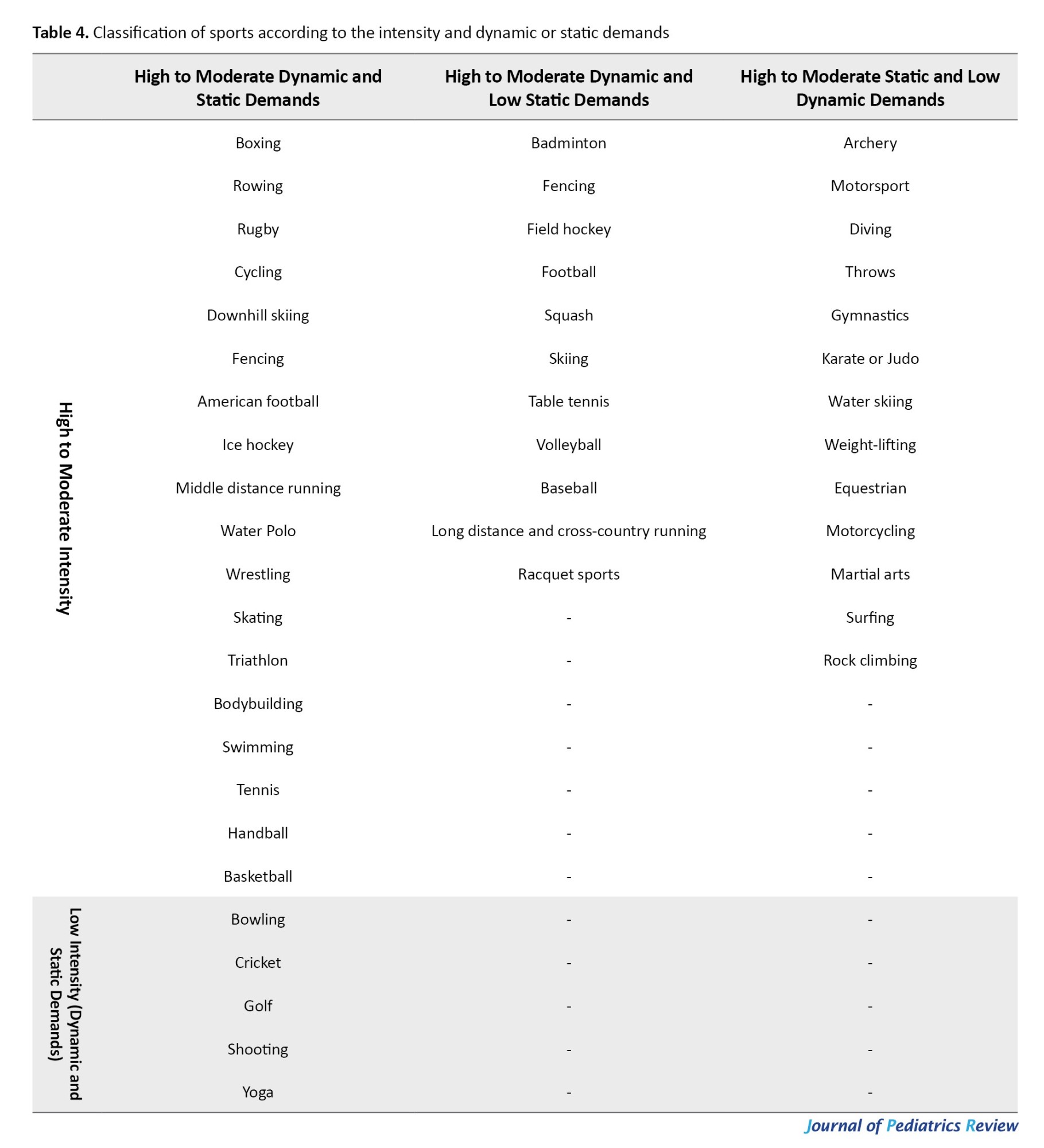
After the required evaluation is done, the physician should first determine the level and degree of contact involved in the athlete’s sport discipline (Tables 3 and 4).

In granting medical clearance, the following inquiries should be answered:
Does the athlete’s participation in the sport create a greater risk of illness or injury?
Does the athlete’s participation in the sport place other participants at greater risk of illness or injury?
Can the underlying condition be controlled so that participation is safe?
Can participation in sport be withheld on a temporary basis pending treatment or evaluation?
If clearance for participation in certain sports is denied, is the athlete safe to take part in other sports or activities?
Eventually, the following five decisions are typically made by the physician for the athlete:
No limitations for any activity.
Full clearance with recommendations for further evaluation or treatment.
No activity until evaluation, treatment, or rehabilitation is completed.
Qualified to take part in restricted activities only.
Ineligible for participation in any sport or physical activity.
Conclusion
PPE for pediatric and adolescent athletes is a vital platform that brings together injury prevention, cardiovascular screening, and health promotion into one process. Despite international recommendations on essential PPE steps, practice in Iran still varies in screening procedures, examiner qualifications, and referral systems. PPE should be considered more than a formality and recognized as a risk-stratified process tailored by age and type of sport. Given the findings and the importance of PPE in preventing potential problems and injuries among athletes, it is recommended that the following be considered at the national level for maximum effect: Establishing a national criterion for conducting standardized pre-participation screenings for athletes across different sports, approval of all the forms and standards prepared by all the organizations and centers of the country, utilization of one form in schools for all student-athletes, limiting the administration of these evaluations to qualified doctors, specifically sports medicine physicians.
Ethical Considerations
Compliance with ethical guidelines
This article is a narrative review and did not involve human or animal subjects.
Funding
This research did not receive any grant from funding agencies in the public, commercial, or non-profit sectors.
Authors contributions
Conceptualization and supervision: Farzin Halabchi and Reyhaneh Khazaei; Methodology, investigation, and; Writing: All authors.
Conflicts of interest
The authors declared no conflict of interest.
Pre-participation evaluation (PPE) is a standard health screening frequently performed on pediatric and teenage athletes to determine their fitness level, assess underlying medical issues, and ascertain whether they are fit enough to participate safely in organized sports. Thus, this type of screening aims to evaluate the athlete’s fitness and readiness for organized sports, as well as uncover any existing health issues that might make participation risky [1, 2]. In young athletes, PPE helps identify risks associated with growth and other factors that influence the risk of injury and illness. In accordance with modern sports medicine guidelines, key aspects of PPE include proper collection of medical history, a pediatric-focused physical examination, and recommendations for appropriate referral for detected diseases. PPE can also be conceptualized as a structured cardiovascular health visit that addresses sleep, nutrition, weight, blood pressure, lipid and glucose control, and other cardiometabolic determinants relevant to both athletic performance and long-term health [3].
The physician performing the PPE has ultimate responsibility for granting medical clearance and should interpret the results by considering the athlete’s age and overall condition [4]. Although the significance of PPE is widely acknowledged, several issues remain, including inconsistent examination techniques, examiner qualifications, result interpretation, and insufficient standardization of the process [5]. In Iran, where hundreds of children and teenagers are subjected to PPE every year, it has also been suggested that there is a lack of efficiency in the evaluation process due to inconsistent procedures and insufficient awareness of the standardized testing process [6]. Due to unique physiologic and developmental risks associated with children and adolescents in nearly all sports, it is critical that standard terminology is utilized and a scientifically valid framework is maintained to help ensure clarity and quality within discussions of PPE service delivery, evidenced by consensus and new rules/laws governing PPE services in sports, and to help establish an ongoing basis for providing safe services.
In this narrative review, we aimed to summarize evidence on PPE structure, content, and models (office-based or station-based) for child and adolescent athletes in the context of sports medicine practice in Iran. We focused specifically on pediatric and adolescent athletes (typically 6–18 years), acknowledging the physiological, developmental, and psychosocial characteristics unique to this age group that distinguish them from adult athletic populations.
Materials and Methods
The current study was conducted as a narrative review of the literature on PPE among pediatric and adolescent athletes. A comprehensive search was performed across national and international scientific databases to identify relevant publications addressing the principles, objectives, components, and approaches of PPE, with particular emphasis on issues related to children and adolescents and sports medicine practice in Iran.
The literature was reviewed regarding key aspects of PPE, including medical history taking, physical examination, cardiovascular and musculoskeletal screening, paraclinical assessments, the frequency and timing of evaluations, qualifications of PPE examiners, office-based and station-based PPE models, and medical clearance for sports participation. Relevant guidelines, consensus statements, review articles, and original research studies were included when they aligned with the scope of this review.
Results
Pre-participation evaluation history
There has been constant improvement in PPE, a method for identifying risk factors to reduce injury and protect athletes during sport participation. The first use of PPE occurred in the 1940s, when attention to health and fitness increased among both the general population and sport participants [7]. These early methods for identifying health-related issues and assessing an individual’s fitness became the framework for developing PPE standards and guidelines. Organizations such as the American Medical Association (AMA) and others created standards for these evaluations in the following decades [8]. This improved the specification of PPE goals and created a systematic model for its use. In 1996, the American Heart Association (AHA) issued a historic statement about cardiovascular screening of athletes [9]. The statement was a milestone in PPE history, highlighting cardiovascular evaluation and providing clear guidance for physicians and other healthcare professionals involved in the process. In the ensuing years, the AMA and the American Academy of Pediatrics (AAP) created a series of PPE guidelines and standards. These efforts further highlighted the importance of PPE in preventing sudden cardiac death (SCD) and promoting overall health among child and adolescent athletes [4, 10].
Pre-participation evaluation goals
Sports organizations and governing bodies widely use PPE methods as a structured approach to assessing athlete health and readiness for participation. Although PPE is widely used to identify cardiovascular and other health risks, the strength of evidence for different screening models remains unclear across settings and populations [2, 11]. What is covered, how it is done, and its efficacy are not organized uniformly by organizations or countries. The goal of PPE is to enhance athletes’ health and safety. The PPE goals can be summarized as follows: (i) Establish athletes’ general physical and mental health; (ii) Identify conditions that are potentially life-threatening or disabling; (iii) Identify conditions that may predispose the athletes to illness or injury; (iv) Provide an opportunity to discuss health and lifestyle issues with the athlete [11–15].
Pre-participation evaluation aspects
Timing
PPE is ideally performed at least six weeks before the start of the competitive season, allowing sufficient time to address identified medical conditions or musculoskeletal problems before participation. However, the interval between evaluation and competition should not be so long that the athlete’s clinical status changes substantially after the examination [16].
Frequency
Recommended PPE frequencies differ based on specific athlete populations and the purpose behind such screenings. One group of researchers recommends yearly PPE for children and adolescents because their body systems are constantly changing; therefore, the detection of potential new diseases or health issues may require an annual test [9, 17]. However, some other experts suggest that PPE should be conducted less frequently, i.e. once every two or three years, as adult athletes do not experience constant physiological changes, rendering annual testing either unnecessary or expensive [18, 19]. The last perspective emphasizes the benefits of personalized evaluations, indicating that the frequency of the test should be dependent on different criteria, such as the age of patients or their competitive level [20].
In conclusion, it seems that the most effective rate of conducting PPEs depends on certain situations and is highly context dependent. Annual PPEs are recommended for children and adolescents due to their fast development and the higher probability of the occurrence of health issues. Healthy adults without any previous diseases who engage in sports activities should undergo PPE once in two or three years. At the same time, those athletes who have some underlying health conditions or have a predisposition to heart or skeletal muscle diseases can benefit from having PPEs more frequently.
Methods
History-taking and physical examination by PPE can be conducted with office-based or station-based techniques, either individually or in groups; each also has its own advantages and disadvantages.
Office-based techniques
In this approach, athletes are evaluated in a clinic by general practitioners, pediatricians, or sports medicine specialists. Office-based techniques have various advantages, such as ensuring privacy, continuity of care, and the physician’s understanding of the athlete’s family and medical history. However, a detailed office-based evaluation may take too long and may not focus sufficiently on pertinent sports-specific factors [4].
Station-based techniques: In the station-based approach, several specialists evaluate athletes at designated stations, one for each site. The system is time-efficient, sport-specific, cost-effective, and high-yield for screening multiple abnormalities. It can lack privacy and not offer continuity of medical care [4]. Table 1 presents some station-based PPE techniques.
Examiner qualifications
PPE, if possible, should be conducted by sports medicine specialists. While PPE is typically carried out by general practitioners, they are not specifically trained for this purpose in most cases. Therefore, professional athletes’ evaluations should be reserved for sports medicine specialists. Physicians responsible for PPE should not only be adequately trained in sports medicine but also refer athletes to relevant specialists when abnormalities are detected during the screening [4].
Pre-participation evaluation components
Under normal circumstances, history taking and physical examination comprise the fundamental components of PPE. In other cases, further paraclinical examinations or measurements of physical fitness parameters may be necessary.
History taking
A complete medical history forms the basis of PPE. According to studies, 88% of all medical issues and 64-75% of severe musculoskeletal complaints requiring withdrawal or restriction from sport can be identified by taking a complete personal and family medical history. Thus, personal and family history is more sensitive than physical examinations [4, 21]. For young athletes under 18 years, medical history questions are answered by both the athlete and the parents. Completion of the history form by athletes or their parents is more accurate and reduces error. Completing these forms before the examination allows families to mention things the athlete may be unaware of or has forgotten, especially family history and childhood events [4]. The history form should contain information on disease, past or recent trauma, hospitalization, previous operation, functional impairment, heat or cold-related issues, use of medications, supplementation, dietary supplements, substance abuse, allergies, immunizations, menstrual disorders in female athletes, sudden weight change, previous ban from sport and disease or neurological/psychological disorder family history. A standardized questionnaire can be strengthened by explicitly covering exercise-induced symptoms, family history of cardiovascular disease, medication use, supplements or performance enhancers, and psychosocial or lifestyle factors in one instrument [4, 22]. A review of systems should include questions for all body systems, with the cardiovascular system given the highest priority. A positive response to questions in this section should guide further evaluation and follow-up. Below, we provide key history-taking questions in PPE:
Cardiovascular system
Questions should cover chest pain, discomfort, tightness, or pressure with exertion, syncope or near-syncope not accounted for, dyspnea, fatigue, or palpitations with exercise not accounted for, previously diagnosed heart murmurs, systemic hypertension, previous restriction from sports participation, previous diagnostic tests, family history of premature death (age <50) due to cardiac disease in one or more relatives, incapacitation resulting from cardiac disease in close relatives under age 50, and family history of structural or conduction heart diseases such as hypertrophic or dilated cardiomyopathy, long QT syndrome, ion channelopathies, or clinical arrhythmias. Also, they need to be screened for manifestations suggestive of Marfan syndrome such as kyphoscoliosis, high-arched palate, pectus excavatum, arachnodactyly, hyperextensibility, myopia, mitral valve prolapse, and aortic insufficiency [2, 23].
Musculoskeletal system
Taking a history of previous fractures, dislocations, sprains, and muscle or ligament strains that required treatment or rehabilitation is important. Patterns of musculoskeletal injuries are sport-specific. Fracture and ligament injuries occur more in collision or contact sports, while overuse injuries, stress fractures, and tendinopathies occur in endurance or non-contact sports [24].
Neurological, integumentary, and visual systems
One should enquire about headaches, seizures, spinal and spinal canal issues, and concussions [25]. Also, questions should cover rashes such as herpes and fungal or bacterial infections [4]. Sports participants need to have vision adequate for sports involvement. Ask about a history of eye problems or injury [26].
Immunologic system (allergies and vaccination)
Question athletes about wheezing, exercise‑induced shortness of breath, coughing, asthma, or allergies in the past and during exercise. Asthma is a common chronic respiratory condition in children and adolescents, and exercise‑induced bronchospasm is reported in a substantial proportion of individuals with asthma. Consider diagnosing asthma in athletes who experience wheezing or respiratory symptoms during exercise [27-29].
Athletes must follow the vaccination schedule recommended by international organizations such as the Centers for Disease Control and Prevention (CDC) or World Health Organization (WHO). The pre-participation screening will include an assessment of the athlete’s vaccinations. In addition to routine immunizations, the annual influenza vaccine is required. Other vaccinations may also be advised depending on disease epidemiology, travel needs, or emerging infections like coronavirus. This should be verified on PPE [30].
Nutritional status
Eating disorders and body image concerns occur most frequently with sports that have weight categories or where appearance or thinness is central to performance [31].
Menstrual health
In cases of primary or secondary amenorrhea, evaluation should include consideration of the female athlete triad (disordered eating, amenorrhea and osteoporosis). More recent consensus statements have expanded this concept to the broader framework of relative energy deficiency in sport (RED‑S), which includes the triad components within a wider spectrum of physiological consequences of low energy availability [32, 33].
Physical examination
A regular physical examination should include at least an assessment of anthropometric factors, vital signs, and the visual, musculoskeletal, and cardiovascular systems. Additional tests may be done if history taking results in findings [16, 25].
Anthropometric measurement
Monitoring weight trends can identify abnormal weight loss or gain, which may indicate eating disorders, low energy intake, disordered weight gain behavior, or steroid use [34]. Height curves are monitored to diagnose slowing down of growth, which may be a symptom of other diseases such as endocrine disease, nutritional disease, deficiency in energy, or delayed puberty and growth. These conditions may make the child susceptible to overuse injury and contact sports injury [35].
Heart rate and blood pressure
The evaluation is useful in the early recognition of possible cardiac problems such as hypertension or abnormal heart rhythm. These findings should be recognized during the PPE since patients with underlying cardiovascular diseases can have a higher risk for adverse cardiac events during intense physical activity and may need additional workup to clear them for participation in athletics [36].
Respiratory rate and oxygen saturation
Respiratory rate and oxygen saturation can also yield useful information about cardiopulmonary status and pulmonary health. A high respiratory rate or low oxygen saturation can indicate respiratory diseases such as exercise-induced bronchoconstriction or asthma, and further investigation is needed before sport participation [36].
Body temperature
Body temperature is another vital component to assess potentially underlying medical disorders that may temporarily prohibit an athlete from participating in sport due to infection. Deviations from a normal body temperature may be indicative of endocrine diseases such as thyroid disease and can potentially affect an athlete’s metabolism, energy level, and endurance [37].
Visual system
During PPE, visual acuity of all athletes should be evaluated to ensure that their vision is at least 20/40 with or without correction for sporting participation. Athletes with vision worse than 20/40 in one eye, even with correction, require additional ophthalmologic tests. Specifically, patients with vision below 20/40 in one eye should use eyewear to protect the unaffected eye and prevent injury [34, 38].
Cardiovascular system
Cardiac auscultation should be performed in both erect and supine positions or during the Valsalva maneuver to detect other heart sounds or murmurs. Radial and femoral pulses should also be examined on each side, with attention to any disparity in pulse timing, especially in hypertension. Any deviation of pulse timing should be further investigated [34, 39, 40].
Musculoskeletal system
To evaluate the musculoskeletal system, a 90-second musculoskeletal screening examination can be employed. The components of this screening are outlined in Table 2 [41].
Paraclinical measures
Routine paraclinical tests and cardiovascular or pulmonary screening tests during PPE remain controversial. Most PPE guidelines discourage routine paraclinical tests [4]. However, the following paraclinical evaluation guidelines should be considered:
Blood test
If an athlete is diagnosed with anemia, hemoglobin and ferritin status must be determined. Type 1 or type 2 diabetic athletes should be screened periodically for foot pathology (e.g. sensory loss and reflexes), ocular, renal, neurological, and cardiovascular complications. Lipid profile assessment is recommended for patients with a personal history of hypercholesterolemia or dyslipidemia and for athletes found to have cardiovascular risk factors on history or physical examination [39].
Electrocardiogram
The role of routine electrocardiogram (ECG) remains one of the central controversies in PPE. Contemporary review evidence indicates that ECG can improve detection of occult cardiovascular disease, but the optimal protocol remains debated and is likely best individualized according to athlete characteristics, sport exposure, and local expertise [42]. This debate remains unresolved because the evidence base for broad PPE programs is largely observational, and screening should ultimately be judged by patient-centered outcomes as well as detection rates [43]. Advocates of ECG screening state that it may increase the diagnosis of certain deadly cardiac disorders such as hypertrophic cardiomyopathy and primary electrical diseases.
In juvenile athletes, common adaptive ECG findings include sinus bradycardia, incomplete right bundle branch block, and sinus arrhythmia, whereas confirmed high-risk conditions appear to be uncommon. Accordingly, ECG interpretation in pediatric PPE should be explicitly age-, sex-, and sport-sensitive to avoid over- calling physiologic remodeling as pathology [44].
The shortcomings of routine ECG screening include the prevalence of false-positive readings and the subsequent need for further, expensive investigation, as well as the rarity of SCD among athletes. Thus, routine ECG screening is not universally recommended. However, in athletes with concern for cardiovascular disease, appropriate investigations such as ECG and echocardiography may diagnose cardiac abnormalities and therefore reduce the risk of SCD [2, 45-47].
When screening reveals red-flag cardiovascular symptoms or clearly abnormal ECG findings, temporary restriction from high-intensity training is prudent until expedited downstream evaluation is completed. By contrast, selected asymptomatic athletes with borderline findings may continue some activity under shared decision-making, prompt specialist follow-up, careful documentation, and an established emergency plan [48].
Clearance for sports participation
After the required evaluation is done, the physician should first determine the level and degree of contact involved in the athlete’s sport discipline (Tables 3 and 4).
In granting medical clearance, the following inquiries should be answered:
Does the athlete’s participation in the sport create a greater risk of illness or injury?
Does the athlete’s participation in the sport place other participants at greater risk of illness or injury?
Can the underlying condition be controlled so that participation is safe?
Can participation in sport be withheld on a temporary basis pending treatment or evaluation?
If clearance for participation in certain sports is denied, is the athlete safe to take part in other sports or activities?
Eventually, the following five decisions are typically made by the physician for the athlete:
No limitations for any activity.
Full clearance with recommendations for further evaluation or treatment.
No activity until evaluation, treatment, or rehabilitation is completed.
Qualified to take part in restricted activities only.
Ineligible for participation in any sport or physical activity.
Conclusion
PPE for pediatric and adolescent athletes is a vital platform that brings together injury prevention, cardiovascular screening, and health promotion into one process. Despite international recommendations on essential PPE steps, practice in Iran still varies in screening procedures, examiner qualifications, and referral systems. PPE should be considered more than a formality and recognized as a risk-stratified process tailored by age and type of sport. Given the findings and the importance of PPE in preventing potential problems and injuries among athletes, it is recommended that the following be considered at the national level for maximum effect: Establishing a national criterion for conducting standardized pre-participation screenings for athletes across different sports, approval of all the forms and standards prepared by all the organizations and centers of the country, utilization of one form in schools for all student-athletes, limiting the administration of these evaluations to qualified doctors, specifically sports medicine physicians.
Ethical Considerations
Compliance with ethical guidelines
This article is a narrative review and did not involve human or animal subjects.
Funding
This research did not receive any grant from funding agencies in the public, commercial, or non-profit sectors.
Authors contributions
Conceptualization and supervision: Farzin Halabchi and Reyhaneh Khazaei; Methodology, investigation, and; Writing: All authors.
Conflicts of interest
The authors declared no conflict of interest.
References
- Delee JC, Derez D, Stanitski CL. Pediatric and adolescent sports medicine. Philadelphia: Saunders; 1994.
- Drezner JA, OʼConnor FG, Harmon KG, Fields KB, Asplund CA, Asif IM, et al. AMSSM Position statement on cardiovascular pre-participation screening in athletes: Current Evidence, Knowledge Gaps, recommendations, and future Directions. Curr Sports Med Rep. 2016; 15(5):359-75. [DOI:10.1249/JSR.0000000000000296] [PMID]
- Garba DL, Jacobsen AP, Blumenthal RS, Martinez MW, Ndumele CE, Coslick AM, et al. Assessingathletes beyond routine screening: Incorporating essential factors to optimize cardiovascular healthand performance. Am Heart J Plus. 2024; 44:100413. [DOI:10.1016/j.ahjo.2024.100413] [PMID]
- MacDonald J, Schaefer M, Stumph J. The Preparticipation Physical Evaluation. Am Fam Physician. 2021; 103(9):539-46. [PMID]
- Alattar A, Ghani S, Mahdy N, Hussain H, Maffulli N. Pre-participation musculoskeletal and cardiac screening of male athletes in the United Arab Emirates. Transl Med UniSa. 2014; 9:43-9. [PMID]
- Halabchi F, Raeis Karami S. [Pre-participation evaluation in children and adolescents (Persian)]. Iran Pediat Dis. 2006; 16(4):485-96. [Link]
- Gallagher JR, Brouha L. Physical fitness: Its evaluation and significance. JAMA. 1944; 125(12):834-8. [DOI:10.1001/jama.1944.02850300014004]
- American Medical Association, Committee on the medical aspects of sports, subcommittee on classification of sports injuries. Standard nomenclature of athletic injuries. Chicago: American Medical Association; 1976. [Link]
- Maron BJ, Thompson PD, Puffer JC, McGrew CA, Strong WB, Douglas PS, et al. Cardiovascular pre-participation screening of competitive athletes. A statement for health professionals from the Sudden Death Committee (clinical cardiology) and Congenital Cardiac Defects Committee (cardiovascular disease in the young), American Heart Association. Circulation. 1996; 94(4):850-6. [DOI:10.1161/01.CIR.94.4.850] [PMID]
- Peterson AR, Bernhardt DT. The pre-participation sports evaluation. Pediatr Rev. 2011; 32(5):e53-65. [DOI:10.1542/pir.32.5.e53] [PMID]
- Roberts WO, Löllgen H, Matheson GO, Royalty AB, Meeuwisse WH, Levine B, et al. Advancing the pre-participation physical evaluation: An ACSM and FIMS joint consensus statement. Clin J Sport Med. 2014; 24(6):442-7. [DOI:10.1097/JSM.0000000000000168] [PMID]
- Adams SH, Park MJ, Twietmeyer L, Brindis CD, Irwin CE. Association between adolescent preventive care and the role of the affordable care act. JAMA Pediatr. 2018; 172(1):43-8. [DOI:10.1001/jamapediatrics.2017.3140] [PMID]
- Hulkower S, Fagan B, Watts J, Ketterman E, Fox BA. Clinical inquiries: Do pre-participation clinical exams reduce morbidity and mortality for athletes? J Fam Pract. 2005; 54(7):628-32. [PMID]
- Koester MC, Amundson CL. Pre-participation screening of high school athletes: Are recommendations enough? Phys Sportsmed. 2003; 31(8):35-8. [DOI:10.3810/psm.2003.08.460] [PMID]
- Wingfield K, Matheson GO, Meeuwisse WH. Pre-participation evaluation: An evidence-based review. Clin J Sport Med. 2004; 14(3):109-22. [DOI:10.1097/00042752-200405000-00002] [PMID]
- Mirabelli MH, Devine MJ, Singh J, Mendoza M. The Pre-participation Sports Evaluation. Am Fam Physician. 2015; 92(5):371-6. [PMID]
- Fuller CM, McNulty CM, Spring DA, Arger KM, Bruce SS, Chryssos BE, et al. Prospective screening of 5,615 high school athletes for risk of sudden cardiac death. Med Sci Sports Exerc. 1997; 29(9):1131-8. [DOI:10.1097/00005768-199709000-00003] [PMID]
- Myerburg RJ, Vetter VL. Electrocardiograms should be included in pre-participation screening of athletes. Circulation. 2007; 116(22):2616-26. [DOI:10.1161/CIRCULATIONAHA.107.733519] [PMID]
- Malhotra A, Dhutia H, Finocchiaro G, Gati S, Beasley I, Clift P, et al. Outcomes of cardiac screening in adolescent soccer players. N Engl J Med. 2018; 379(6):524-34. [DOI:10.1056/NEJMoa1714719] [PMID]
- Adami PE, Squeo MR, Quattrini FM, Di Paolo FM, Pisicchio C, Di Giacinto B, et al. Pre-participation health evaluation in adolescent athletes competing at Youth Olympic Games: Proposal for a tailored protocol. Br J Sports Med. 2019; 53(17):1111-6. [DOI:10.1136/bjsports-2018-099651] [PMID]
- Best TM. The pre-participation evaluation: An opportunity for change and consensus. Clin J Sport Med. 2004; 14(3):107-8. [DOI:10.1097/00042752-200405000-00001] [PMID]
- Alrayes MM, Husain MA. Sports-related sudden cardiac death: Developing a valid and reliablescreening tool. Saudi J Sports Med. 2025; 25(2):47-52. [DOI:10.4103/sjsm.sjsm_19_25]
- Halabchi F, Shahidzadeh Mahani A, Seifbarghi T. [Sudden cardiac death in athletes and its preventive strategies: A review article (Persian)]. Tehran Univ Med J. 2017; 75(9):632-44. [Link]
- Corrente C, Silvis M, Murphy J, Gallo R, Onks C. Musculoskeletal practices for the pre-participation physical examination. BMC Sports Sci Med Rehabil. 2021; 13(1):84. [DOI:10.1186/s13102-021-00316-x] [PMID]
- Conley KM, Bolin DJ, Carek PJ, Konin JG, Neal TL, Violette D. National Athletic Trainers’ Association position statement: Pre-participation physical examinations and disqualifying conditions. J Athl Train. 2014; 49(1):102-20. [DOI:10.4085/1062-6050-48.6.05] [PMID]
- Halabchi F, Mazaheri R, Mansournia MA, Seif Barghi T. [Examining the health of the referees of the Iranian Premier League (Persian)]. Pajoohandeh. 2012; 17(4): 215-20. [Link]
- Aggarwal B, Mulgirigama A, Berend N. Exercise-induced bronchoconstriction: Prevalence, pathophysiology, patient impact, diagnosis and management. NPJ Prim Care Respir Med. 2018; 28(1):31. [DOI:10.1038/s41533-018-0098-2] [PMID]
- Rundell KW, Im J, Mayers LB, Wilber RL, Szmedra L, Schmitz HR. Self-reported symptoms and exercise-induced asthma in the elite athlete. Med Sci Sports Exerc. 2001; 33(2):208-13. [DOI:10.1097/00005768-200102000-00006] [PMID]
- Weiler JM, Bonini S, Coifman R, Craig T, Delgado L, Capão-Filipe M, et al. American Academy of Allergy, Asthma & Immunology Work Group report: Exercise-induced asthma. J Allergy Clin Immunol. 2007; 119(6):1349-58. [DOI:10.1016/j.jaci.2007.02.041] [PMID]
- Boston CD, Bryan JJ. Immunizations in Athletes. Sports Health. 2018; 10(5):427-33. [DOI:10.1177/1941738118788279] [PMID]
- Bonci CM, Bonci LJ, Granger LR, Johnson CL, Malina RM, Milne LW, et al. National athletic trainers’ association position statement: Preventing, detecting, and managing disordered eating in athletes. J Athl Train. 2008; 43(1):80-108. [DOI:10.4085/1062-6050-43.1.80] [PMID]
- De La Torre DM, Snell BJ. Use of the pre-participation physical exam in screening for the female athlete triad among high school athletes. J Sch Nurs. 2005; 21(6):340-5. [DOI:10.1177/10598405050210060701] [PMID]
- Mountjoy M, Ackerman KE, Bailey DM, Burke LM, Constantini N, Hackney AC, et al. 2023 international olympic committee's (IOC) consensus statement on relative energy deficiency in sport (REDs). Br J Sports Med. 2023; 57(17):1073-97. [DOI:10.1136/bjsports-2023-106994] [PMID]
- American Academy of Family Physicians, American Academy of Pediatrics, American College of Sports Medicine, American Medical Society for Sports Medicine, American Orthopaedic Society for Sports Medicine, American Osteopathic Academy of Sports Medicine. Pre-participation physical evaluation. Itsaca: American Academy of Pediatrics; 2019. [DOI: 10.1542/9781610023023]
- Corrado D, Pelliccia A, Bjørnstad HH, Vanhees L, Biffi A, Borjesson M, et al. Cardiovascular pre-participation screening of young competitive athletes for prevention of sudden death: proposal for a common European protocol. Consensus Statement of the Study Group of Sport Cardiology of the Working Group of Cardiac Rehabilitation and Exercise Physiology and the Working Group of Myocardial and Pericardial Diseases of the European Society of Cardiology. Eur Heart J. 2005; 26(5):516-24. [DOI:10.1093/eurheartj/ehi108] [PMID]
- Sharma S, Drezner JA, Baggish A, Papadakis M, Wilson MG, Prutkin JM, et al. International recommendations for electrocardiographic interpretation in athletes. Eur Heart J. 2018; 39(16):1466-80. [DOI:10.1093/eurheartj/ehw631] [PMID]
- Gardener D, Shoback D. Greenspan’s Basic and Clinical Endocrinology. 10 ed. New York, NY: McGraw Hill; 2017. [Link]
- Weise KK, Galt SJ, Hale MH, Springer DB, Swanson MW. Pre-participation vision screening and comprehensive eye care in National Collegiate Athletic Association Athletes. Optom Vis Sci. 2021; 98(7):764-70. [DOI:10.1097/OPX.0000000000001738] [PMID]
- McChesney JA, McChesney JW. Auscultation of the chest and abdomen by athletic trainers. J Athl Train. 2001; 36(2):190-6. [PMID]
- Leddy JJ, Izzo J. Hypertension in athletes. J Clin Hypertens (Greenwich). 2009; 11(4):226-33. [DOI:10.1111/j.1751-7176.2009.00100.x] [PMID]
- Carek PJ, Mainous AG. A thorough yet efficient exam identifies most problems in school athletes. J Fam Pract. 2003; 52(2):127-34. [PMID]
- Dores H, Dinis P, Viegas JM, Freitas A. Preparticipation cardiovascular screening of athletes: Currentcontroversies and challenges for the future. Diagnostics. 2024; 14(21):2445. [DOI:10.3390/diagnostics14212445] [PMID]
- Hansen CJ, Warming PE, Tfelt-Hansen J. To screen or not to screen: That is the question! Eur Heart J.2023; 44(24):2257. [DOI:10.1093/eurheartj/ehad286] [PMID]
- Małek ŁA, Dotka M, Brzezińska K, Pyndryk P, Materkowski M, Wiecha S. Electrocardiographic changesin juvenile athletes in relation to sex, age, and sport category. Pediatr Cardiol. 2026; 47(4):1629-38. [DOI:10.1007/s00246-025-03945-y] [PMID]
- Harmon KG, Asif IM, Maleszewski JJ, Owens DS, Prutkin JM, Salerno JC, et al. Incidence, cause, and comparative frequency of sudden cardiac death in National Collegiate Athletic Association Athletes: A decade in review. Circulation. 2015; 132(1):10-9. [DOI:10.1161/CIRCULATIONAHA.115.015431] [PMID]
- Maron BJ, Douglas PS, Graham TP, Nishimura RA, Thompson PD. Task Force 1: Preparticipation screening and diagnosis of cardiovascular disease in athletes. J Am Coll Cardiol. 2005; 45(8):1322-6. [DOI:10.1016/j.jacc.2005.02.007] [PMID]
- Donnelly DK, Howard TM. Electrocardiography and the pre-participation physical examination: Is it time for routine screening? Curr Sports Med Rep. 2006; 5(2):67-73. [DOI:10.1097/01.CSMR.0000306523.44006.78] [PMID]
- Bhatia RT, Sharma S, Papadakis M, Dean PN, MacLachlan H, Malhotra A, et al. Abnormal pre-participation cardiac screening in athletes: Can an athlete train while waiting for a “diagnosis”? JACC Adv. 2025; 4(8):101943. [DOI:10.1016/j.jacadv.2025.101943] [PMID]
Type of Study: Narrative Review |
Subject:
Management of health services in children
Received: 2025/10/21 | Accepted: 2026/09/19 | Published: 2026/09/19
Received: 2025/10/21 | Accepted: 2026/09/19 | Published: 2026/09/19
Send email to the article author
| Rights and permissions | |
 |
This work is licensed under a Creative Commons Attribution-NonCommercial 4.0 International License. |

Copyright © The Author(s);
This is an open access article distributed under the terms of the Creative Commons Attribution License (CC-By-NC),
which permits use, distribution, and reproduction in any medium, provided the original work is properly cited and is not used for commercial purposes.
Contact Information